Origenists
Isochristoi and Protoktistoi (6th-century factions)
first crisis 393–403; second crisis 6th century to 553
attested. Attested. Whether the council of 553 itself formally passed the anathemas is debated.
Leaders
- Origen (c. 185–253) — authority, not founder
- Evagrius Ponticus (d. 399)
- The Tall Brothers
- Nonnus
- Leontius of Byzantium
Beliefs
Speculative ideas drawn from Origen and Evagrius: the pre-existence of souls (minds) before bodies, a non-literal resurrection body, and the final restoration of all things (apokatastasis). Origen had framed many of these as hypotheses.
Home bases
Loading the map…
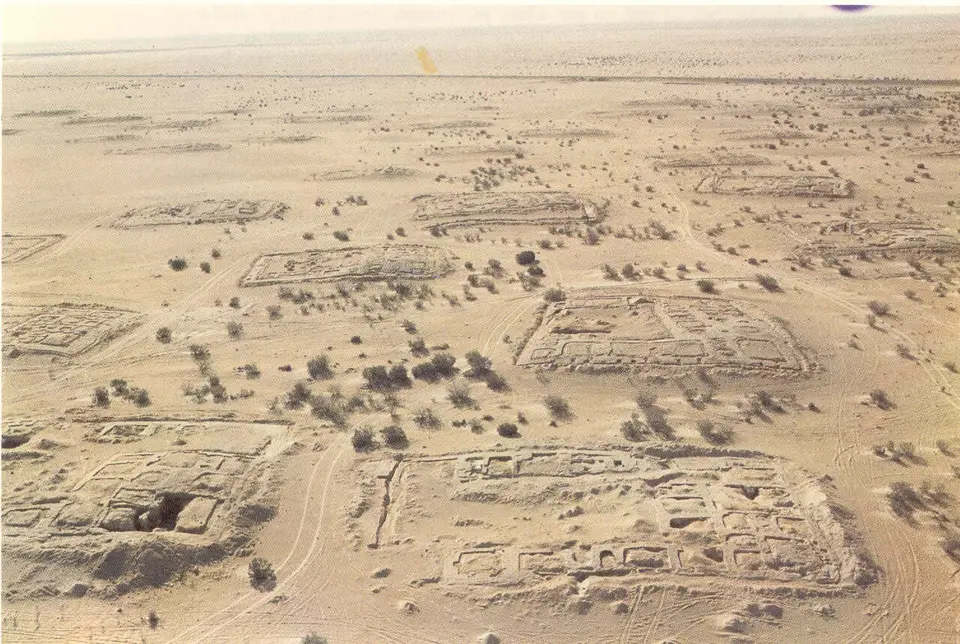
Kellia and Nitria (Origenist monks)
Near al-Muna, western Delta, Egypt · 4th–6th
Evagrius Ponticus lived and wrote among the semi-anchorite monks of Kellia (d. 399). Around 400 Patriarch Theophilus turned on the 'Origenist' monks, and the 'Tall Brothers' fled to Constantinople. Kellia's excavated cells (Swiss and French missions) show a large monastic settlement.
Own work. CC BY-SA 3.0 · Wikimedia CommonsThis photograph shows the modern city, or the Wikipedia lead subject, rather than the ancient site itself. New Lavra, Palestine (6th-century Origenists)
Near Tekoa, Palestine (West Bank) · 6th
This monastery founded by Sabas's circle became a centre of 6th-century Palestinian Origenism under Nonnus and Leontius of Byzantium, and was riven by conflict. Justinian's edict of 543 and the anathemas linked to the council of 553 condemned the Origenists, who were expelled in 555.
Spread
Egyptian desert monasticism (Nitria, Kellia) and Palestinian monasteries.
Books
What happened to it
Theophilus of Alexandria condemned them around 400, and the Tall Brothers took refuge with John Chrysostom, contributing to his fall (403). Justinian's edict (543) and the anathemas tied to Constantinople II (553) condemned them. As a result much of Origen's and Evagrius's Greek work was lost, though some survives in Latin and Syriac translations.
Hostile sources
Epiphanius. Panarion 64; Ancoratus c. 374–377
Hostile.
Jerome. Against John of Jerusalem; letters c. 397–402
Hostile (after his turn).
Cyril of Scythopolis. Lives of Sabas and Cyriacus c. 557
Hostile.
Their own words
Evagrius Ponticus. Kephalaia Gnostika (Syriac); Praktikos late 4th c.
Insider.
Origen. On First Principles (Rufinus' Latin) c. 220–230
Insider (filtered by translator).
Sources
- Origen and OrigenismConfessional source
Catholic Encyclopedia 1913 (confessional). Accessed 2026-11-11.
- Origenism
Wikipedia. Accessed 2026-11-11.