Person
Celsus
fl. c. 175-180
pagan philosopher, hostile critic
Hostile source. HOSTILE: written to refute Christianity; known only through its Christian refuter.
Attested. Attested via Origen's quotations; base unknown (region anchor).
Stand-in
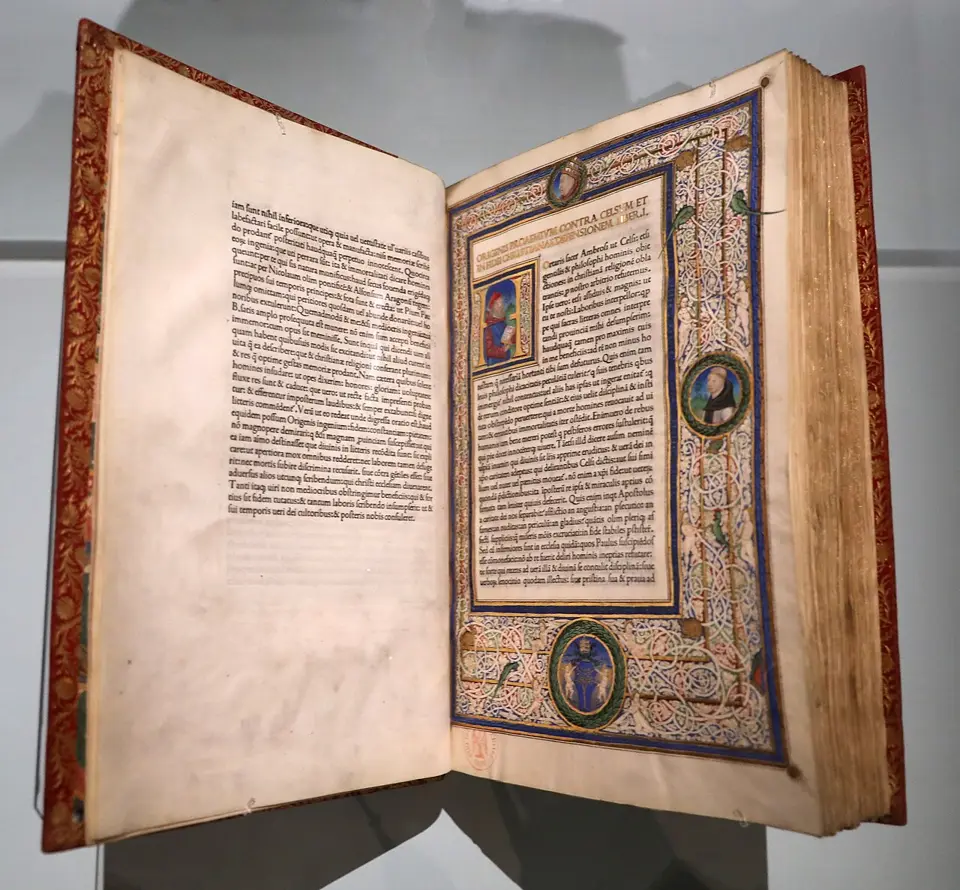
Celsus wrote The True Word, a learned attack on Christianity as a recent and socially low superstition that misunderstands both Judaism and Plato. The book is lost except as Origen quotes it in Against Celsus, often at length. He is the clearest second-century pagan critic whose arguments can still be read.
Platonist author of the first known full attack on Christianity. Through a Jewish speaker he claims Jesus was the son of Mary by a soldier named Panthera, learned magic in Egypt, and gathered low-class followers.
Bases
Loading the map…
- Celsus's base (unknown) · unknown (Rome or Alexandria proposed) · c. 178 · disputed
Places
Councils
No council in this list names them as a participant.