Mani and the 'seal of the prophets'
216 – 277
Place: seleucia-ctesiphon
33.094, 44.581 · On the map
Mani's life and his baptist upbringing (Cologne Mani Codex) are attested. Applying 'seal' to Mani is attested in Manichaean writings, as Stroumsa analyses. A link to Q 33:40 is a scholarly hypothesis. Full branch record: branches-and-controversies 'manichaeans'.
Shared record: Manichaeans
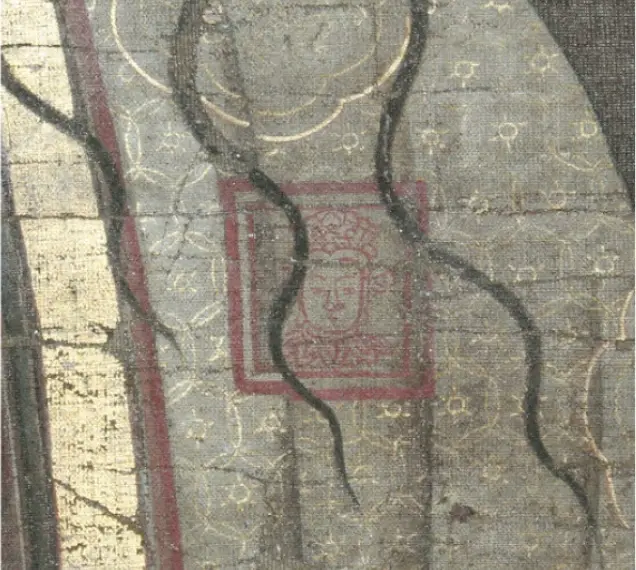
Mani grew up in a Jewish-Christian baptist community (Elchasaites) in Mesopotamia and founded a world religion that presented him as the last in a line of messengers after Zoroaster, the Buddha and Jesus. Manichaean sources later called him the 'seal'. The Qur'an calls Muhammad 'the seal of the prophets' (Q 33:40), and scholars disagree about whether the two titles are connected.
People named here
- Mani
- Elchasai
Where scholars disagree
For
- Guy G. Stroumsa — 'Seal of the Prophets: The Nature of a Manichaean Metaphor' (JSAI 1986)
Against
- Uri Rubin — ZDMG 2014: reads Q 33:40 within its Qur'anic context as being about the finality of prophecy
Links
Text and wording
Out
Qur'an 33:40: Muhammad as 'seal of the prophets'
'Seal' as a title for the final messenger.
idea_parallel
scholarly hypothesis
People and office
Out
Mani grew up in an Elchasaite baptist community (Cologne Mani Codex).
raised_among
attested
Report and reading
Out
Who were the Qur'an's 'Sabians'?
De Blois identifies the Qur'anic Sabians with Manichaeans.
candidate_for
scholarly hypothesis
Sources
- Encyclopaedia Iranica, 'Mani'
Encyclopaedia Iranica Foundation. Accessed 2026-11-11.
- Guy G. Stroumsa, 'Seal of the Prophets: The Nature of a Manichaean Metaphor', JSAI 7 (1986), 61–74
Academia.edu (author upload). Accessed 2026-11-11.
- Uri Rubin, 'The Seal of the Prophets and the Finality of Prophecy: On the Interpretation of the Qur'anic Surat al-Ahzab (33)', ZDMG 164.1 (2014)
Harrassowitz. Accessed 2026-11-11.
- Qur'an 33:40
Quran.com. Accessed 2026-11-11.