Pneumatomachians ("Macedonians")
Macedonians, Semi-Arians (partial), Tropici (Egypt)
c. 360 – 5th century
attested. Attested. Macedonius's own role as founder is doubtful (a later naming).
Hostile sources only. No writing from inside this group is known. Teachings and morals here are the opponents' account unless another source confirms them.
Leaders
- Eustathius of Sebaste
- Macedonius of Constantinople (eponym, disputed role)
- Eleusius of Cyzicus
Beliefs
The Son is of like or same substance with the Father, but the Holy Spirit is a ministering being, neither God nor creature in the full sense, and should not be worshipped as God.
Home bases
Loading the map…
Sebasteia (Eustathius of Sebaste)
Sivas, Turkey · 4th
Eustathius of Sebaste was an influential ascetic organizer and early mentor of Basil of Caesarea. He became a leader of the 'Pneumatomachians', who refused to call the Holy Spirit fully God. The Council of Gangra (c. 340) had earlier condemned extreme forms of his followers' asceticism.
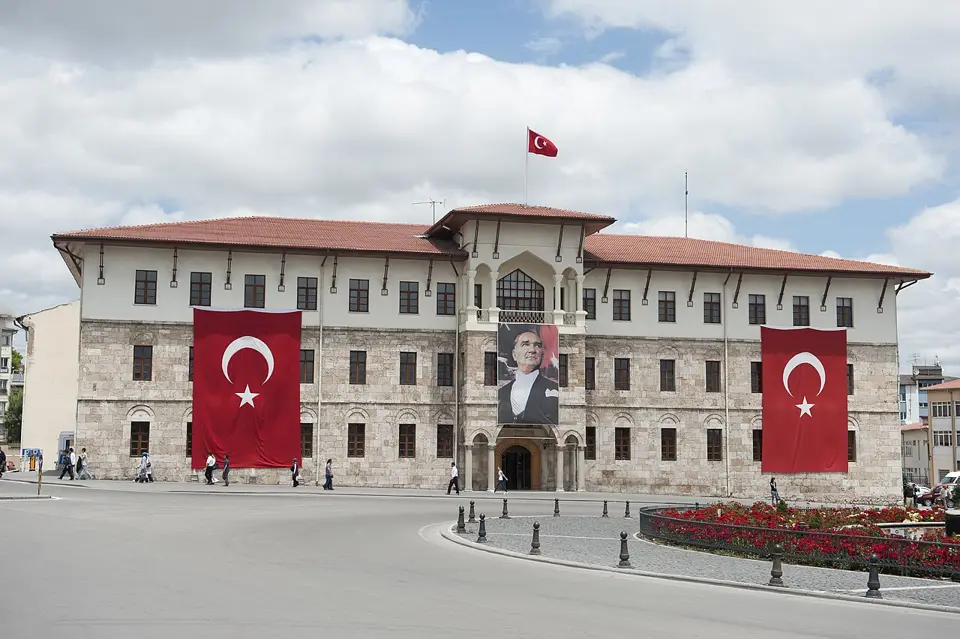
Own work. CC BY-SA 4.0 · Wikimedia CommonsThis photograph shows the modern city, or the Wikipedia lead subject, rather than the ancient site itself.
Spread
Asia Minor, Thrace and Constantinople.
Books
None linked.
What happened to it
Condemned at Constantinople (381), whose creed adds that the Spirit is 'Lord and giver of life… worshipped and glorified with the Father and the Son'. Small communities survived into the 5th century.
Hostile sources
Athanasius. Letters to Serapion c. 359–360
Hostile.
Basil of Caesarea. On the Holy Spirit 375
Hostile.
Socrates; Sozomen. Church Histories 5th c.
Hostile.
Their own words
No insider source is known.
Sources
- Pneumatomachi (Macedonians)Confessional source
Catholic Encyclopedia 1913 (confessional). Accessed 2026-11-11.
- Pneumatomachi
Wikipedia. Accessed 2026-11-11.