Pelagians
Caelestians, Semi-Pelagians (later, Gaul; a 16th-century label)
c. 405 – 431 (Ephesus); Semi-Pelagian debate to 529 (Orange)
attested. The events are well attested. How 'Pelagian' Pelagius himself was, compared with Caelestius and Julian, is disputed, and modern scholarship (Brown, Rees, Bonner) separates the man from the -ism.
Leaders
- Pelagius (c. 354–after 418)
- Caelestius
- Julian of Eclanum (c. 386–455)
- Rufinus the Syrian (influence)
Beliefs
God's commands are possible to keep, so human beings can and must choose the good. Adam's sin harms his descendants by bad example, not by inherited guilt, and newborns are not damned. Grace was understood above all as God's gifts of free will, the Law, Christ's teaching and example, and forgiveness.
Home bases
Loading the map…
Rome (Pelagius's circle, c. 380s–410)
Rome, Italy · 4th–5th
Pelagius, a British-born ascetic teacher, worked among Roman aristocratic Christians and wrote his commentary on Paul's letters there. He and Caelestius left after the Gothic sack of 410, going via Sicily and Africa to Palestine.
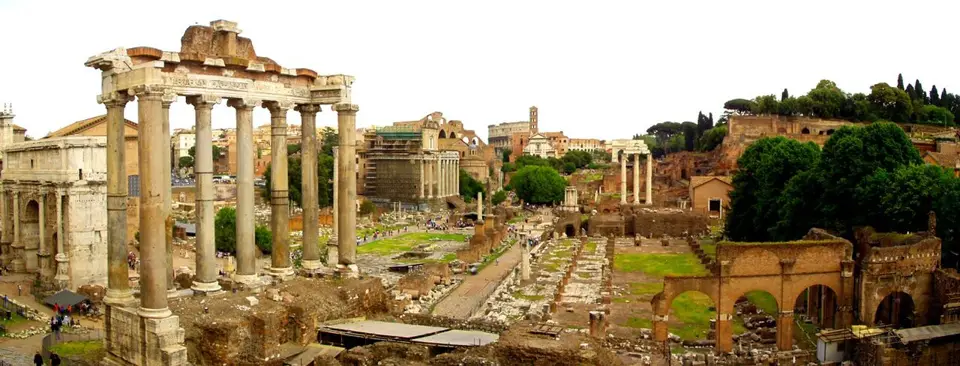
. CC BY-SA 3.0 · Wikimedia Commons Aeclanum (see of Julian)
Near Mirabella Eclano, Italy · 5th
Julian, bishop of Aeclanum, was the ablest Pelagian theologian. He refused to sign Pope Zosimus's condemnation in 418 and was deposed. He spent decades in exile, partly in Cilicia with Theodore of Mopsuestia, writing long rebuttals of Augustine that survive in Augustine's replies.
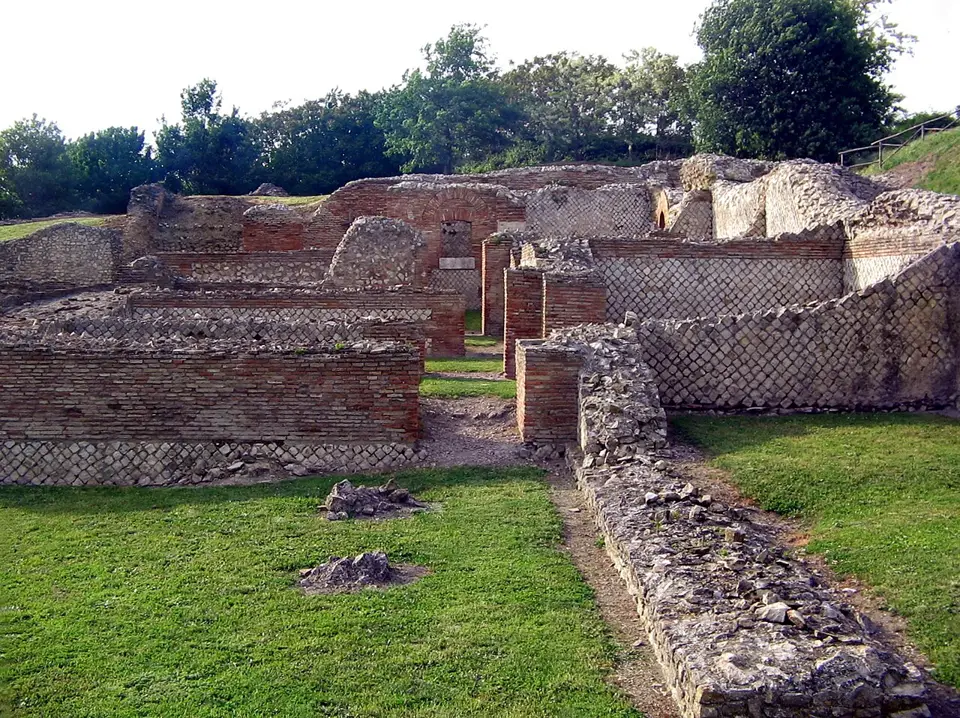
Own work. CC BY-SA 4.0 · Wikimedia CommonsThis photograph shows the modern city, or the Wikipedia lead subject, rather than the ancient site itself.
Spread
From aristocratic ascetic circles in Rome to Sicily, Africa, Palestine and Britain, where Germanus of Auxerre came in 429 to combat it (Constantius' Life of Germanus).
Books
What happened to it
Pelagius was acquitted at Diospolis (415) but condemned by African councils (416, 418), Pope Innocent (417), Pope Zosimus (418, after wavering) and Emperor Honorius. Ephesus (431) condemned Caelestius. Julian lived in exile, and his works survive mainly through Augustine's replies. The Semi-Pelagian debate in Gaul ended at Orange (529).
Hostile sources
Hostile; preserves Pelagian texts.
Jerome. Dialogue against the Pelagians 415
Hostile.
Orosius. Book in Defence (Liber apologeticus) 415
Hostile.
Marius Mercator. Commonitoria 429–431
Hostile.
Their own words
Pelagius. Expositions of the 13 Letters of Paul; Letter to Demetrias; On Faith (Libellus fidei) c. 405–417
Insider; survived under Jerome's or others' names.
Julian of Eclanum. Commentaries on Job and the minor prophets; Ad Florum (fragments) 5th c.
Insider.
Sources
- Pelagius and PelagianismConfessional source
Catholic Encyclopedia 1913 (confessional). Accessed 2026-11-11.
- Pelagianism
Wikipedia. Accessed 2026-11-11.