Messalians (Euchites)
Euchitai, Adelphians, Marcianists (later)
c. 360s – the label used into the Middle Ages
disputed. The condemnations are attested. Whether there was a real organized movement, or the name was a label for charismatic asceticism, is disputed.
Leaders
- Adelphius of Edessa
- Sabas
- Dadoes
Beliefs
According to opponents, every person has an indwelling demon that only constant prayer, not baptism, can drive out, after which the soul receives the Spirit perceptibly and is freed from passion and from labour. They are said to have refused work and slept in public streets.
Home bases
Loading the map…
Side (synod against the Messalians, c. 390)
Side, Turkey · 4th–5th
Amphilochius of Iconium presided over a synod at Side in Pamphylia that condemned the 'Messalians' or Euchites ('those who pray'). These were wandering ascetics said to rely on constant prayer rather than sacraments to expel an indwelling demon. Further condemnations followed at Antioch and at Ephesus (431).
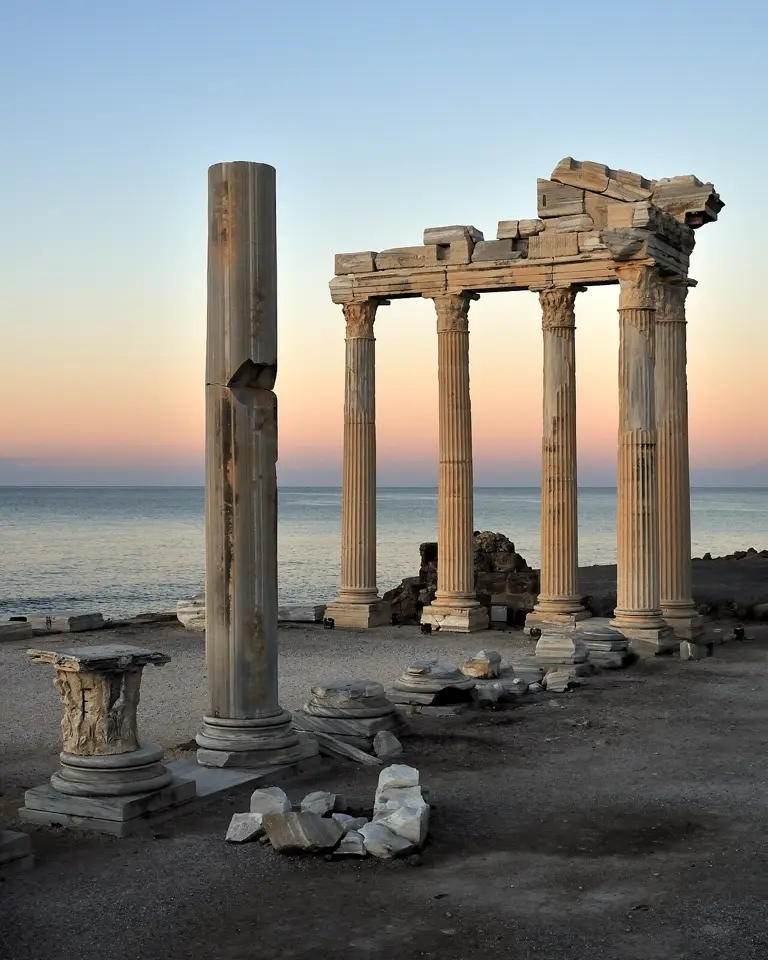
Own work. CC BY-SA 3.0 · Wikimedia CommonsThis photograph shows the modern city, or the Wikipedia lead subject, rather than the ancient site itself.
Spread
Syria, Mesopotamia, Armenia and Asia Minor.
Books
What happened to it
Condemned at Side, Antioch, Constantinople (426) and Ephesus (431). Byzantine writers later used the name for Bogomils and others.
Hostile sources
Theodoret. Church History IV.10 c. 449
Hostile.
Timothy of Constantinople; John of Damascus. Lists of Messalian propositions 6th–8th c.
Hostile.
Their own words
Debated. Macarian Homilies / Asceticon late 4th c.
Disputed: some propositions condemned as Messalian occur in the Macarian corpus; whether Macarius was Messalian is debated (Dörries, Stewart).
Sources
- MessaliansConfessional source
Catholic Encyclopedia 1913 (confessional). Accessed 2026-11-11.
- Messalianism
Wikipedia. Accessed 2026-11-11.