Cathars (Albigensians)
Albigenses, Good Men and Good Women (bons hommes; self-designation), Patarenes (Italy), Perfecti / credentes
1143 (Cologne report) – c. 1321–1330
attested. The persecution and the insider texts are attested. Historians debate the degree of organization and the 'Cathar' name and identity, and the Saint-Félix council charter is of disputed authenticity.
Leaders
- Nicetas (Papa Niquinta)
- Guilhabert de Castres
- Bertrand Marty
- Nazarius (Concorezzo)
- John of Lugio (Desenzano; Book of the Two Principles circle)
- Pierre and Guillaume Authié (revival c. 1300)
- Guillaume Bélibaste (last known perfect in Languedoc, burned 1321)
Beliefs
Cathars taught a dualism, either absolute (two eternal principles) or moderate (a fallen Satan), in which the material world was not created by the good God. The only sacrament was the consolamentum, a laying-on of hands given to the 'perfect' and to the dying. They rejected Catholic sacraments and clergy. The perfect lived lives of strict poverty, celibacy, fasting and vegetarianism, and the 'believers' (credentes) supported them.
Home bases
Loading the map…
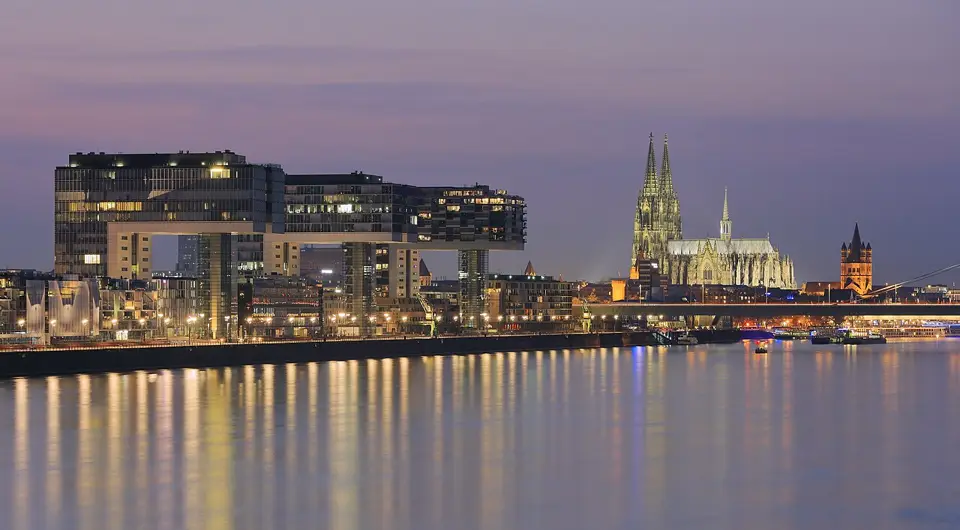
Cologne (first report of "Cathar"-type dualists, 1143)
Cologne, Germany · 12th
Eberwin, provost of Steinfeld, wrote to Bernard of Clairvaux about heretics tried in Cologne in 1143, some of whom were burned. They claimed a hidden church going back to apostolic times, with 'elect' and 'hearers' and a laying on of hands. Ekbert of Schönau first used the name 'Cathari' in Cologne sermons of 1163.
Own work. CC BY-SA 4.0 · Wikimedia CommonsThis photograph shows the modern city, or the Wikipedia lead subject, rather than the ancient site itself. Saint-Félix-Lauragais (Cathar council, 1167?)
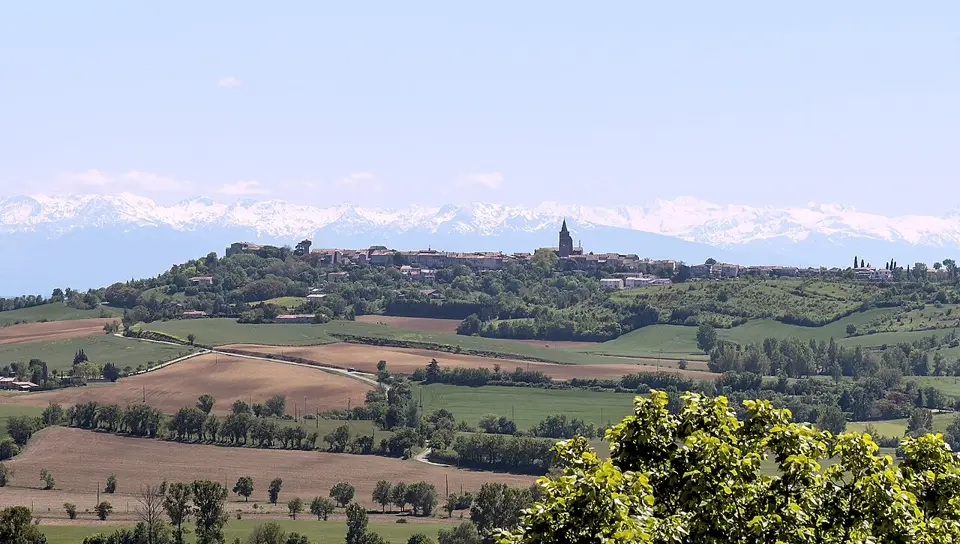
Saint-Félix-Lauragais, France · 12th
A 'council' of Cathar bishops is said to have met here under Nicetas (Papa Niquinta) from Constantinople. It supposedly founded or confirmed bishoprics of Toulouse, Carcassonne and Albi and taught absolute dualism. The account survives only in a 1660 printed copy of a charter.
Own work. CC BY-SA 4.0 · Wikimedia CommonsThis photograph shows the modern city, or the Wikipedia lead subject, rather than the ancient site itself. Albi (name-giver to the "Albigensians")
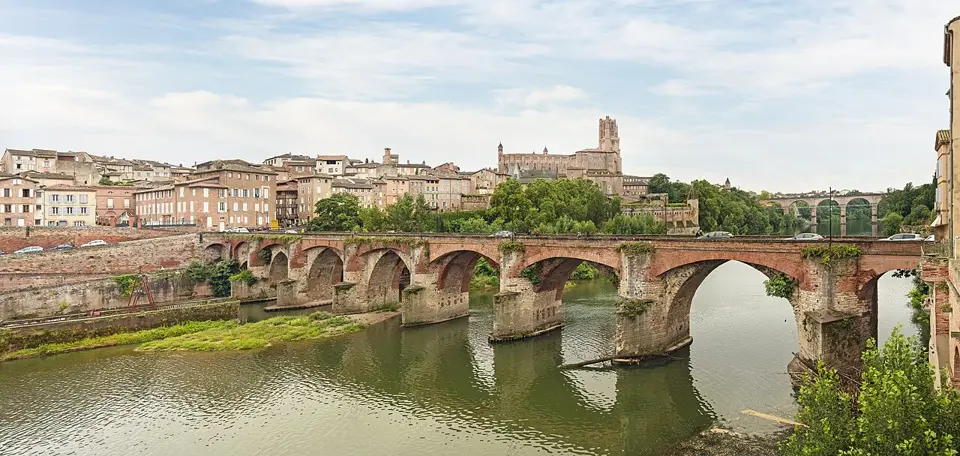
Albi, France · 12th–13th
Albi gave its name to the 'Albigensian' heretics and the crusade against them, although Toulouse and the Lauragais were more important centres. Albi had a Cathar bishop from the 1160s. The fortress-like Catholic cathedral of Sainte-Cécile, begun in 1282, is read as a statement of Catholic victory.
Own work. CC BY-SA 4.0 · Wikimedia CommonsThis photograph shows the modern city, or the Wikipedia lead subject, rather than the ancient site itself. Béziers (massacre of 1209)
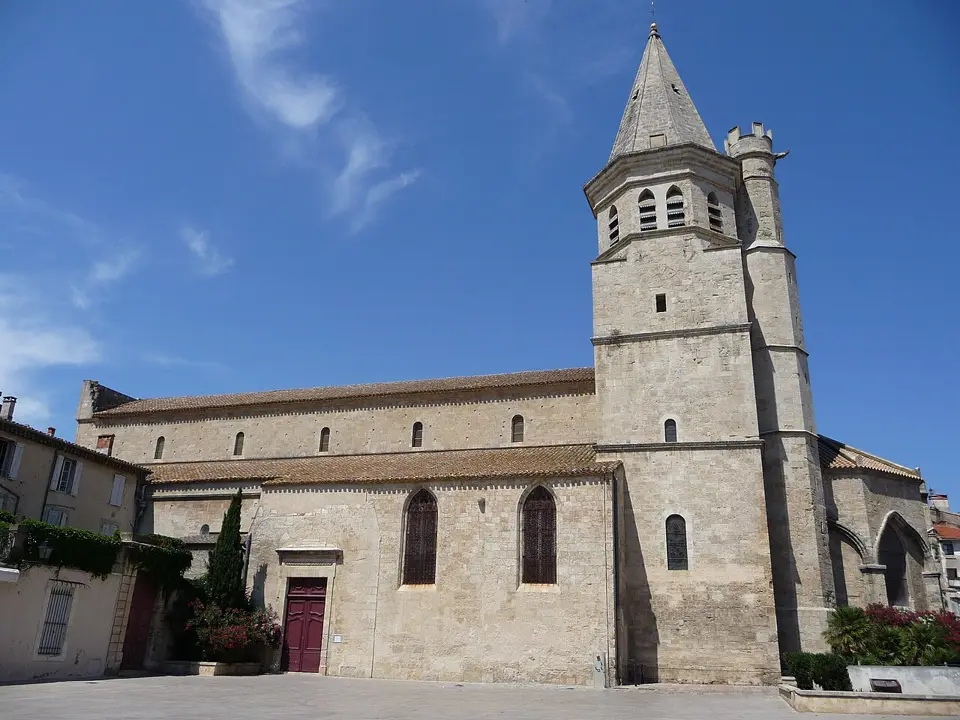
Béziers, France · 13th
On 22 July 1209 the crusader army of the Albigensian Crusade sacked Béziers and killed much of the population, Catholic and Cathar alike. Caesarius of Heisterbach later attributed the phrase 'Kill them all; God will know his own' to the legate Arnaud Amalric.
Own work. CC BY-SA 3.0 · Wikimedia CommonsThis photograph shows the modern city, or the Wikipedia lead subject, rather than the ancient site itself. Montségur (fall of 1244)
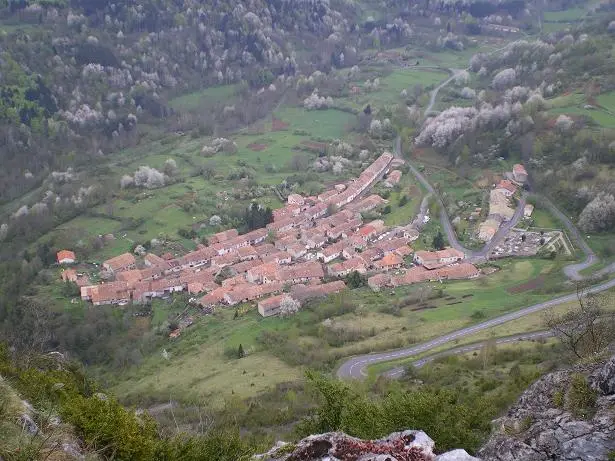
Montségur, France · 13th
This mountaintop castle was a refuge and seat of the Cathar church from 1232. After a ten-month siege it surrendered in March 1244, and about 200 perfecti who refused to recant were burned below the walls. The visible ruins are a later royal fortress built on the site.
Own work. Public domain · Wikimedia CommonsThis photograph shows the modern city, or the Wikipedia lead subject, rather than the ancient site itself. Concorezzo (moderate-dualist Cathar church)
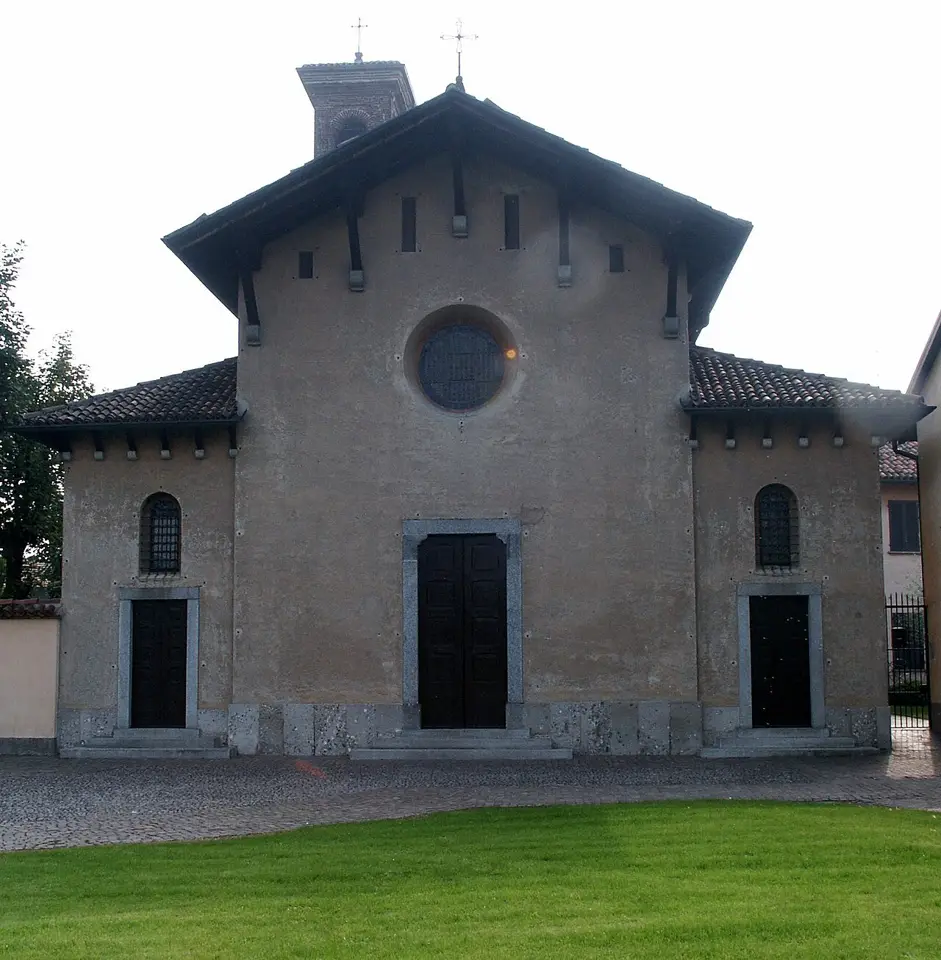
Concorezzo, Italy · 12th–13th
This village near Milan gave its name to the largest Italian Cathar church, which held a 'moderate' dualism (one supreme God, with Satan as a fallen creature). Its bishop Nazarius was said to have received the Interrogatio Iohannis (Secret Supper) from Bulgaria.
No machine-readable source provided. Own work assumed (based on copyright claims).. CC BY-SA 3.0 · Wikimedia CommonsThis photograph shows the modern city, or the Wikipedia lead subject, rather than the ancient site itself. Sirmione (last great Italian Cathar refuge, 1276)
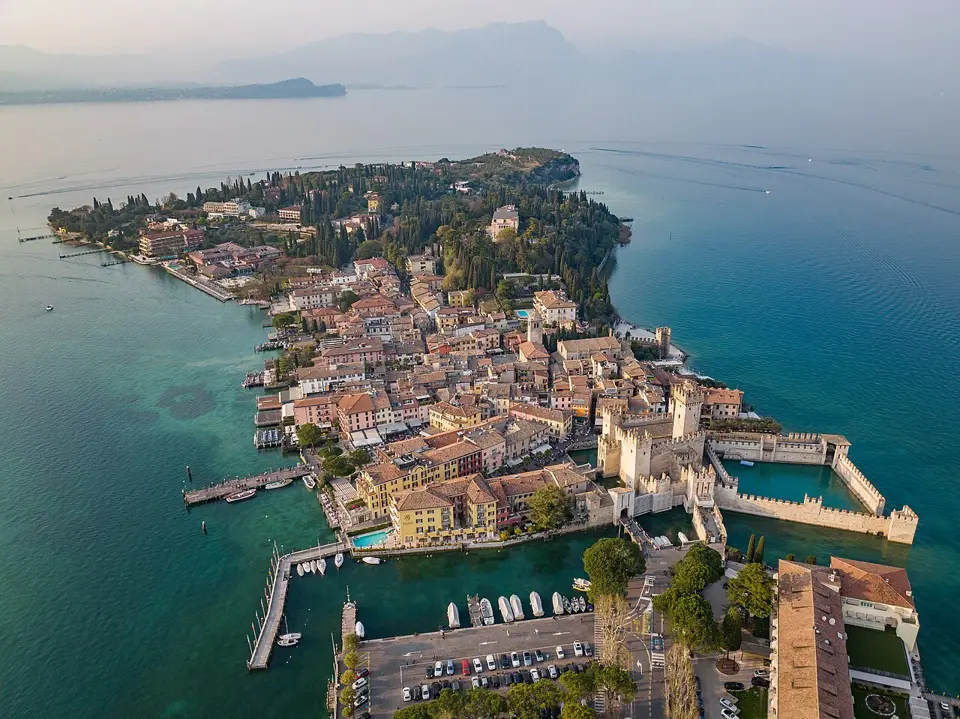
Sirmione, Italy · 13th
Italian Cathar churches (the Albanenses of Desenzano, the Concorezzo group and others) outlasted Languedoc's. In 1276 the Scaliger lords of Verona captured about 170 Cathars at Sirmione on Lake Garda, and they were burned in the Verona arena in 1278.
own work http://www.arne-mueseler.com. CC BY-SA 3.0 de · Wikimedia CommonsThis photograph shows the modern city, or the Wikipedia lead subject, rather than the ancient site itself.
Spread
The Rhineland, Champagne and Flanders, and above all Languedoc and northern and central Italy (Lombardy, Tuscany, the Veneto), with organized dioceses from the 1160s. They were linked to Balkan dualist churches.
Books
- Book of the Two Principles (Liber de duobus principiis)
- Occitan Cathar Ritual (Lyon), with Occitan New Testament
- Latin Cathar Ritual (Florence)
- Dublin Occitan Cathar ritual and treatise
- Interrogatio Iohannis (Secret Supper; Liber Sancti Iohannis)
- Inquisition Register of Jacques Fournier (Montaillou depositions)
What happened to it
The Albigensian Crusade (1209–1229), the Inquisition (from 1233), the fall of Montségur (1244) and Italian campaigns (Sirmione 1276) destroyed the movement. A brief Pyrenean revival around 1300 ended with Bélibaste's burning in 1321. Some historians (R. I. Moore, M. Pegg) argue that the idea of a unified 'Cathar church' is partly a construction of its persecutors, and this is disputed.
Hostile sources
Eberwin of Steinfeld. Letter to Bernard of Clairvaux 1143
Hostile.
Rainerius Sacconi. Summa de Catharis 1250
Hostile ex-insider.
Moneta of Cremona. Adversus Catharos et Valdenses c. 1241
Hostile.
Peter of les Vaux-de-Cernay. Historia Albigensis c. 1218
Hostile crusade chronicle.
Jacques Fournier (inquisitor). Register (Vatican Library, Vat. lat. 4030) 1318–1325
Hostile record of many first-person depositions.
Their own words
Italian Cathar (circle of John of Lugio). Book of the Two Principles (Liber de duobus principiis) c. 1230–1250
Insider.
Cathar church. Occitan Ritual (Lyon); Latin Ritual (Florence); Dublin Occitan ritual 13th c.
Insider.
Bogomil source. Interrogatio Iohannis 12th c.
Insider.
Sources
- CathariConfessional source
Catholic Encyclopedia 1913 (confessional). Accessed 2026-11-11.
- AlbigensesConfessional source
Catholic Encyclopedia 1913 (confessional). Accessed 2026-11-11.
- Catharism
Wikipedia. Accessed 2026-11-11.