Bogomils
Babuni (Balkan name), Phundagiagitae (Anatolia), Bosnian Church (Krstjani) — link disputed
mid-10th century – 15th century
attested. The movement is attested by many hostile sources and one surviving insider text. Its origins (Paulician influence, local Slavic factors) and its Bosnian extension are disputed.
Leaders
- Bogomil ("dear to God"), priest under Tsar Peter I (927–969)
- Basil the Physician (Constantinople, d. c. 1100)
- Nicetas / Niquinta (bishop, travelled to Languedoc 1167?)
Beliefs
Bogomils taught a moderate dualism: Satanael, God's rebellious firstborn, made the visible world and human bodies, and Christ came to free souls. They rejected church buildings, icons, the cross, relics, infant baptism and the Eucharist. The Lord's Prayer was their central prayer, and the Gospel of John their favourite book. The 'perfect' abstained from meat, wine and marriage.
Home bases
Loading the map…
Philippopolis (Plovdiv): deported Paulicians and Bogomils
Plovdiv, Bulgaria · 8th–17th
Byzantine emperors resettled Armenian and Syrian Paulicians in Thrace, Constantine V in the 8th century and John Tzimiskes around 970. Anna Komnene describes Paulicians and Bogomils at Philippopolis, where Alexios I debated them around 1114. Their descendants in the Plovdiv and Nikopol regions became Catholics in the 17th century.
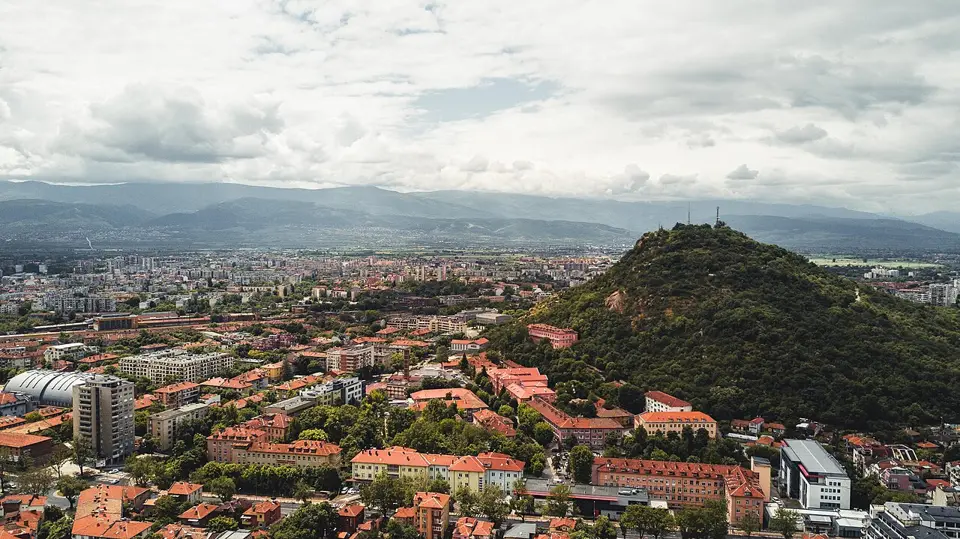
Own work. CC BY-SA 4.0 · Wikimedia CommonsThis photograph shows the modern city, or the Wikipedia lead subject, rather than the ancient site itself. Constantinople (trial and burning of Basil the Bogomil, c. 1100)
Istanbul, Turkey · 11th–12th
Alexios I Komnenos lured the Bogomil leader Basil the Physician into explaining his teaching while a scribe hid behind a curtain. Basil was then burned in the Hippodrome, around 1099 or after. Euthymius Zigabenus wrote his Panoplia Dogmatike, a main source on Bogomil teaching, partly from Basil's interrogation.
Tarnovo (Council of 1211 and the Synodikon of Tsar Boril)
Veliko Tarnovo, Bulgaria · 13th
In 1211 Tsar Boril convened a council in the Bulgarian capital to condemn the Bogomils. Its Synodikon, a Bulgarian adaptation of the Byzantine Synodikon of Orthodoxy, preserves anathemas naming Bogomil and his disciples.
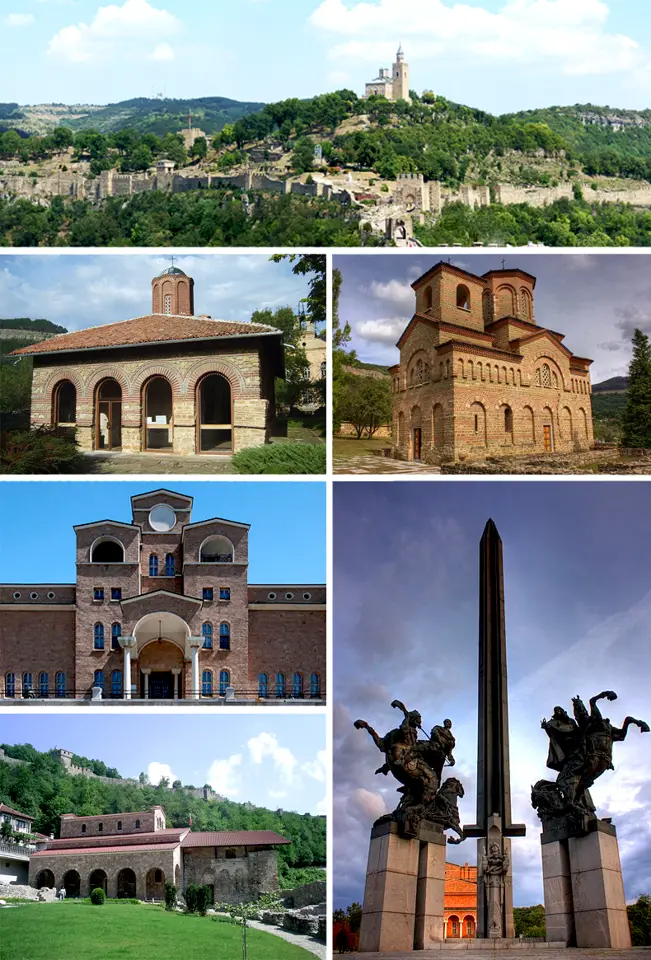
Own work. CC BY-SA 4.0 · Wikimedia CommonsThis photograph shows the modern city, or the Wikipedia lead subject, rather than the ancient site itself. Radimlja necropolis (stećci tombstones)
Near Stolac, Bosnia and Herzegovina · 14th–15th
Radimlja is one of the finest sites of stećci, the medieval carved tombstones of Bosnia and Herzegovina, which are UNESCO-listed since 2016. Popular histories often call them 'Bogomil tombs', but specialists show they were used by Catholic, Orthodox and members of the Bosnian Church alike.
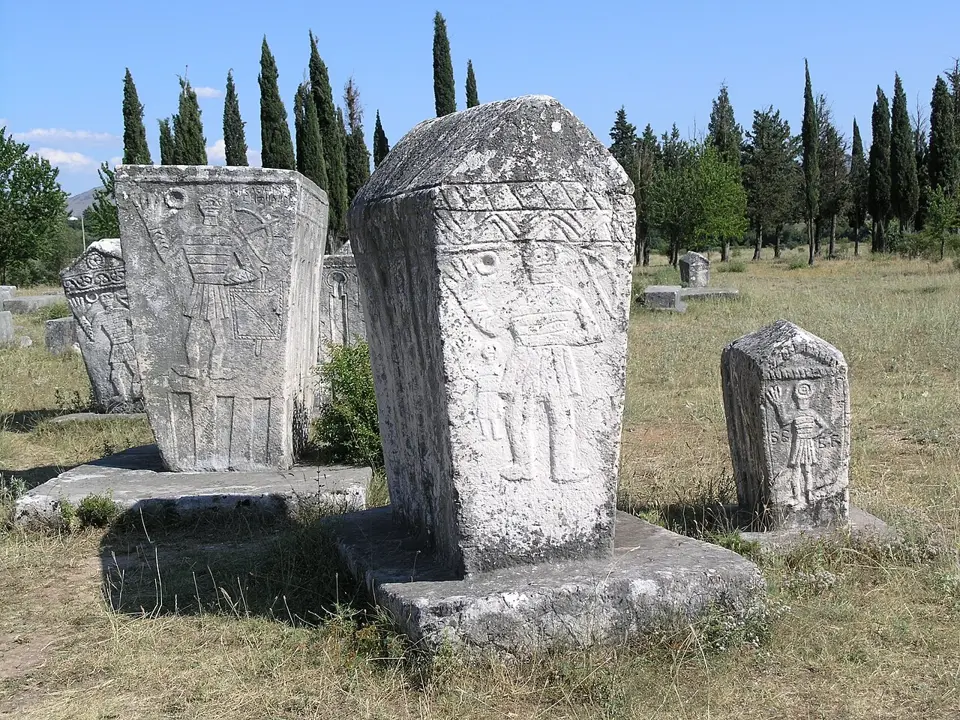
Own work. CC BY-SA 3.0 · Wikimedia CommonsThis photograph shows the modern city, or the Wikipedia lead subject, rather than the ancient site itself.
Spread
From Bulgaria to Byzantine Thrace, Macedonia, Constantinople and western Anatolia, then Serbia and Bosnia. It was in contact with western dualists: Italian and Occitan Cathar churches traced their orders to 'Bulgaria' and 'Dragovitia'.
Books
What happened to it
Repressed in Byzantium (Basil burned c. 1100) and Bulgaria (Council of Tarnovo, 1211). In Bosnia the relationship of the 'Bosnian Church' to Bogomilism is disputed (J. Fine argues it was not dualist). Remnants disappear after the Ottoman conquest in the 15th century, and the old hypothesis of mass conversion of Bosnian Bogomils to Islam is debated.
Hostile sources
Cosmas the Priest. Sermon against the Heretics (Slavonic) c. 970s
Hostile.
Euthymius Zigabenus. Panoplia Dogmatike, title 27 c. 1110
Hostile.
Anna Komnene. Alexiad XV.8–10 c. 1148
Hostile.
Synodikon of Tsar Boril. Anathemas 1211
Hostile.
Their own words
Bogomil/Cathar circles. Interrogatio Iohannis (Secret Supper), Latin translation 12th c.
Insider; brought to Italy from Bulgaria per its colophon.
Shared apocrypha. Vision (Ascension) of Isaiah, Slavonic/Latin used 11th–13th c.
Older apocryphon used by dualists.
Sources
- Bogomilism
Wikipedia. Accessed 2026-11-11.
- Cathari (section on Bulgarian roots)Confessional source
Catholic Encyclopedia 1913 (confessional). Accessed 2026-11-11.