school
School of Edessa (School of the Persians)
363–489
attested. The school and its closure in 489 are attested. Ephrem's founding role is tradition. Add MS 12150 was written at Edessa in 411, but not demonstrably at the school.
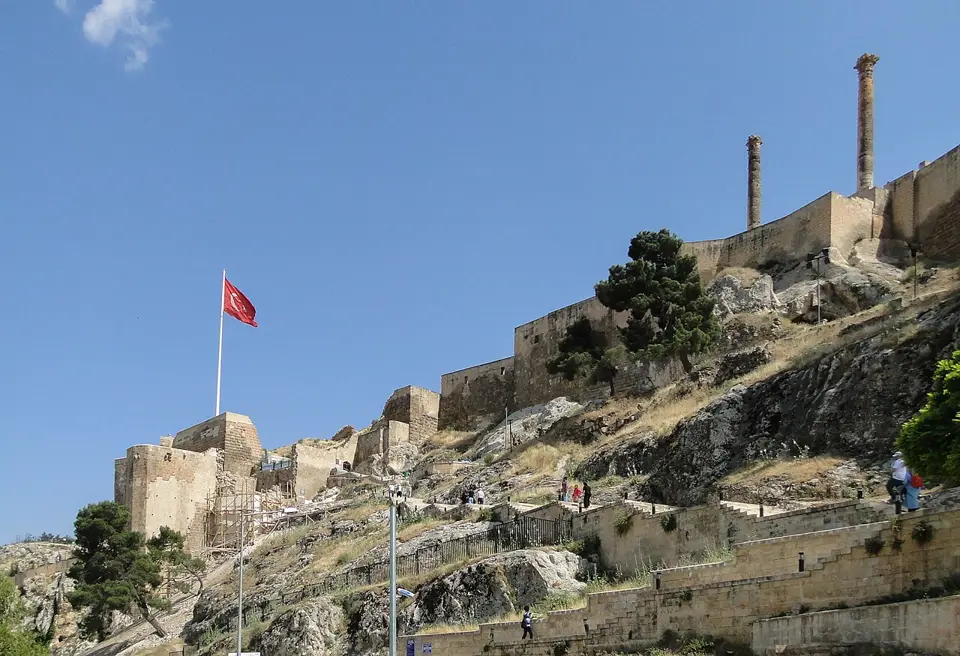
After Nisibis was ceded to Persia in 363, Syriac teachers gathered at Edessa. The school became the intellectual centre of the Persian Syriac church and translated Antiochene theology, until Emperor Zeno closed it in 489 and its masters moved to Nisibis. Edessa was also a book centre: the earliest dated Syriac codex was written there in 411.
Place: Edessa · On the map
People
- Ephrem the Syrian (traditional founder after 363)
- Ibas of Edessa
- Narsai (head; left c. 471)
Manuscripts made here
Syriac translations of Theodore of Mopsuestia and Diodore
Kept now: mostly lost or in later copies
Earliest dated Syriac literary codex (Edessa, 411)
Kept now: British Library, Add MS 12150
Bridge: school-of-edessa