Byzantine–Sasanian war; Persians take Jerusalem (614); Q 30:2–5
602 – 628
Place: jerusalem
31.779, 35.226 · On the map
The war and the fall of Jerusalem are attested. Q 30's reference to them is traditional exegesis, and also follows from the plain sense of the verse. Reading variants of the verse (ghulibat/ghalabat) exist.
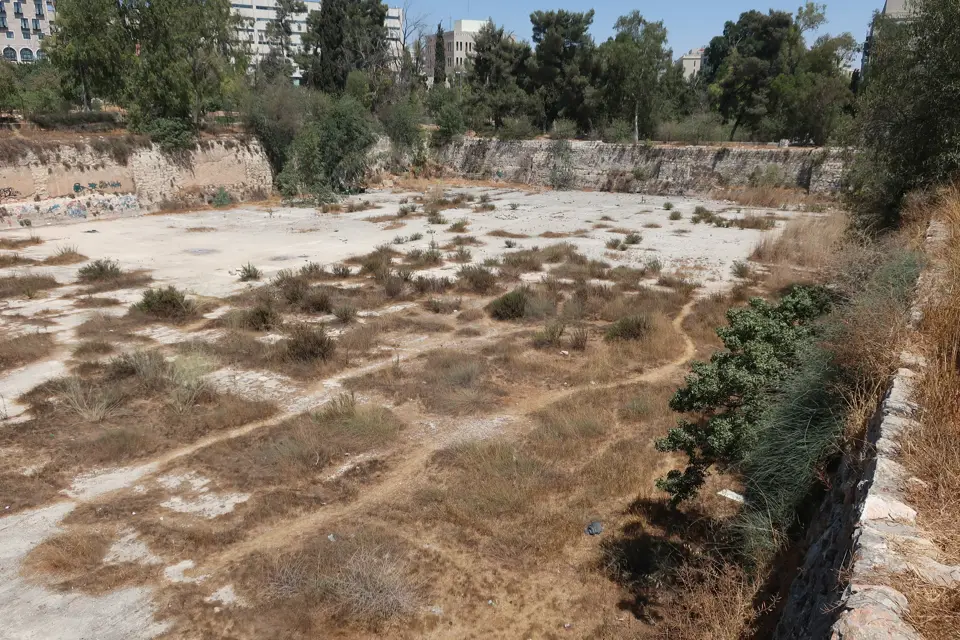
Khosrow II's armies took Syria, Jerusalem (614, carrying off the True Cross) and Egypt, and they were defeated by Heraclius only in 627–628. Sura 30 opens: 'The Romans have been defeated in the nearest land, but after their defeat they will be victorious.' Monk Strategius' lament and the mass grave at Mamilla witness the fall of Jerusalem.
People named here
- Khosrow II
- Heraclius
- Strategius
Links
Text and wording
Out
Qur'an 30:2–5 (al-Rum): 'The Romans have been defeated'
Q 30:2–5 refers to the Romans' defeat 'in the nearest land'.
text_parallel
traditional
Sequence
Out
Heraclius returns the True Cross to Jerusalem
Heraclius' victory (627–628) and the Cross's return (630).
followed_by
attested
Sources
- Wikipedia: Sasanian conquest of Jerusalem
Wikipedia contributors (CC BY-SA 4.0). Accessed 2026-11-11.
- Qur'an, Surat al-Rum (30):2–5
Quran.com. Accessed 2026-11-11.
- Wikipedia: Byzantine–Sasanian War of 602–628
Wikipedia contributors (CC BY-SA 4.0). Accessed 2026-11-11.