Martyrdom of the Christians of Najran
523
Place: najran
17.477, 44.179 · On the map
The massacre is attested in Syriac (Letter of Simeon of Beth Arsham; Book of the Himyarites), Greek (Martyrdom of Arethas) and Himyarite inscriptions. The Christian accounts are insider martyr literature, and death tolls vary. Full place record: batch 1 'najran'.
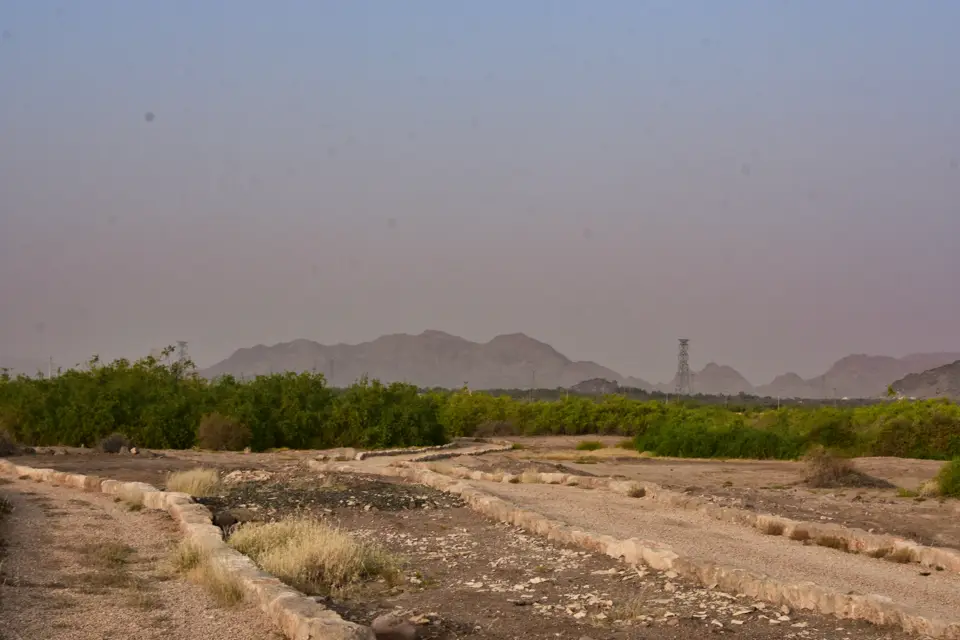
In 523 Yusuf's forces took Najran, the main Christian (Miaphysite) town of South Arabia, and killed many who refused to give up their faith, including the leader al-Harith (Arethas) and a noblewoman, Ruhayma. Letters about it reached Constantinople, Aksum and the Syriac world and set off an Aksumite invasion.
People named here
- al-Harith ibn Ka'b (Arethas)
- Ruhayma
- Yusuf As'ar Yath'ar
Where scholars disagree
For
- Irfan Shahîd — The Martyrs of Najrân: New Documents (1971)
- Christian Julien Robin — 'Ḥimyar, Aksum, and Arabia Deserta' (2015)
Against
No names on this side.
Links
Place
Out
Christian delegation from Najran in Medina; the mubahala
A century later, Najran's Christian community sent a delegation to Medina.
same_place
traditional
Text and wording
Out
Qur'an 85:4–10: 'the People of the Ditch'
Exegetes identify the 'People of the Ditch' with the Najran massacre.
text_parallel
traditional
Report and reading
Out
Book of the Himyarites and the Letter of Simeon of Beth Arsham
Syriac martyr texts report the massacre (insider).
reported_by
attested
Conflict and authority
Out
Kaleb (Ella Asbeha) of Aksum invades Himyar
News of Najran prompted Kaleb's invasion (c. 525).
triggered
attestedIn
Yusuf As'ar Yath'ar (Dhu Nuwas), Jewish king of Himyar
Yusuf's forces massacred the Christians of Najran.
caused
attested
Context
In
Council of Chalcedon (451): Christ 'in two natures'
Najran's martyrs were celebrated by Miaphysite writers.
context
attested
Sources
- Wikipedia: Martyrs of Najran
Wikipedia contributors (CC BY-SA 4.0). Accessed 2026-11-11.
- Wikipedia: Simeon of Beth Arsham
Wikipedia contributors (CC BY-SA 4.0). Accessed 2026-11-11.
- Christian Julien Robin, 'Ḥimyar, Aksum, and Arabia Deserta in Late Antiquity: The Epigraphic Evidence', in G. Fisher (ed.), Arabs and Empires before Islam (2015)
Oxford University Press. Accessed 2026-11-11.