Syriac Orthodox Church (Miaphysite branch)
West Syriac Church, "Jacobites" (outsider label)
518 (Severus deposed) / 542–543 (parallel hierarchy) – present
attested. Attested.
Leaders
- Severus of Antioch
- Philoxenus of Mabbug
- Jacob Baradaeus
- Marutha of Tikrit (Maphrian)
- Michael the Syrian
- Bar Hebraeus
Beliefs
Miaphysite Christology after Cyril and Severus. It has a strong scholarly tradition of translating Greek philosophy and science into Syriac.
Home bases
Loading the map…
Mabbug (Hierapolis Bambyce): see of Philoxenus
Manbij, Syria · 5th–6th
Philoxenus (Aksenaya), bishop here from 485 to 519, was a leading Syriac anti-Chalcedonian theologian. He sponsored the Philoxenian revision of the Syriac New Testament in 507/508. He died in exile at Gangra around 523.
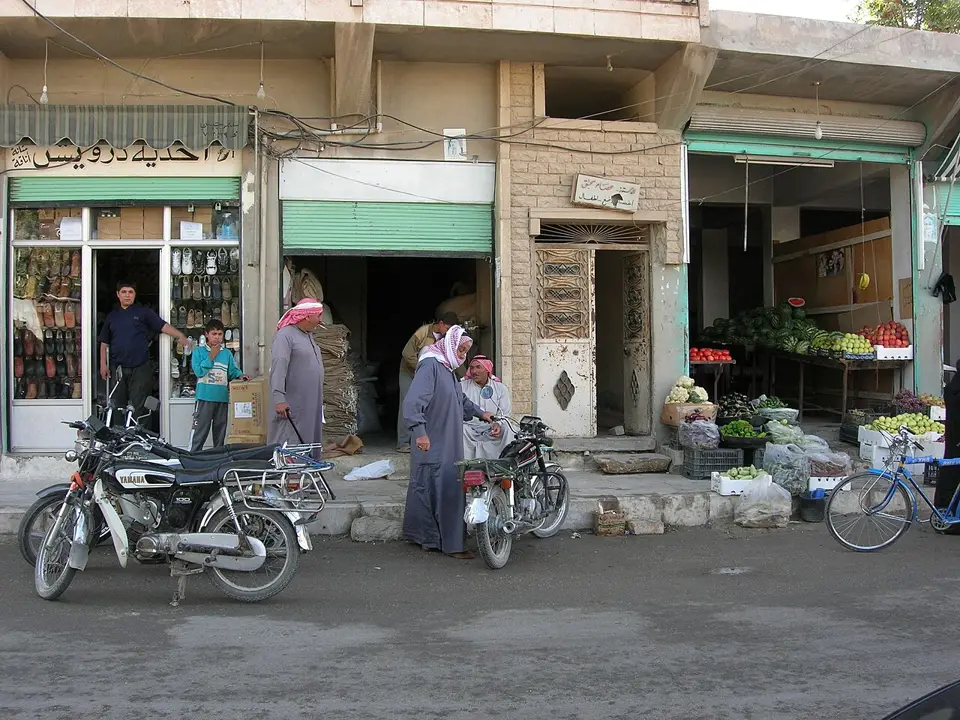
https://web.archive.org/web/20160405062126/http://www.panoramio.com/photo/7563804. CC BY 3.0 · Wikimedia CommonsThis photograph shows the modern city, or the Wikipedia lead subject, rather than the ancient site itself. Qenneshre monastery (Euphrates)
Near Jarablus area (site not certainly identified), Syria/Turkey · 6th–9th
Approximate location.
Qenneshre ('Eagles' Nest') was the leading Syriac Orthodox school monastery. Its monks translated Greek philosophy, science and patristic works into Syriac, and its scholars included Severus Sebokht and Jacob of Edessa. Several patriarchs came from it.
Mor Gabriel monastery (Dayro d-Mor Gabriel), Tur Abdin
Near Midyat, Turkey · 4th–present
The monastery was founded in 397 according to its own tradition, which credits Emperor Arcadius and Theodosius II with buildings. It is one of the oldest functioning Christian monasteries, the spiritual centre of the Syriac Orthodox Tur Abdin, and still seat of a metropolitan.
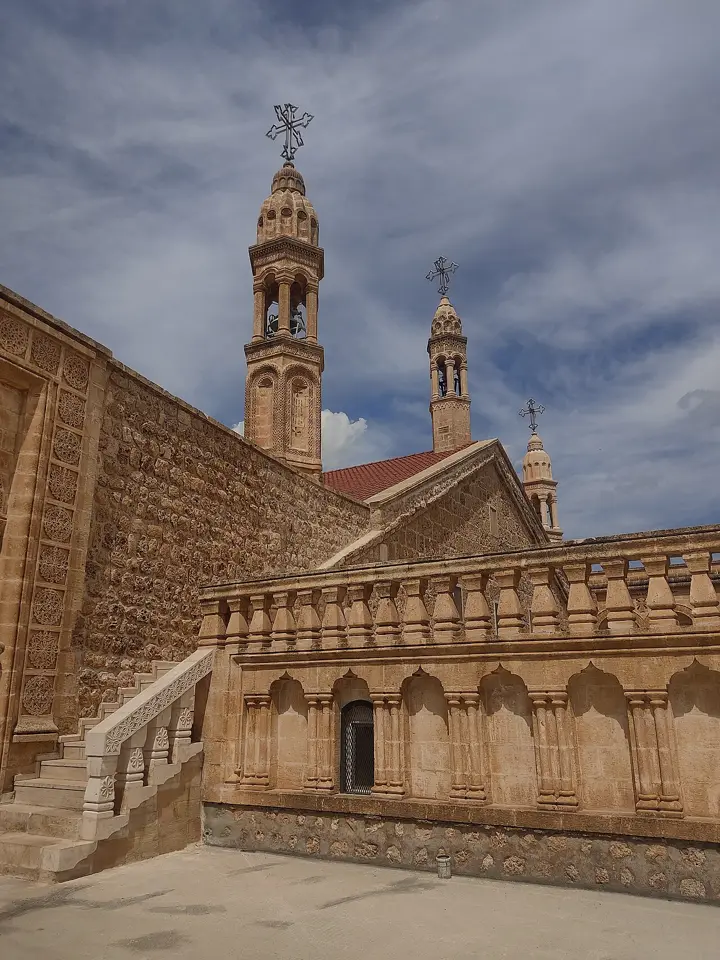
Own work. CC BY-SA 4.0 · Wikimedia CommonsThis photograph shows the modern city, or the Wikipedia lead subject, rather than the ancient site itself. Mar Mattai monastery (Dayro d-Mor Mattai)
Mount Maqlub, near Mosul, Iraq · 4th–present
This mountain monastery overlooks the Nineveh plain. According to tradition it was founded by the hermit Mattai in the 4th century, and it became the main Syriac Orthodox centre east of the Tigris, with an important library. Bar Hebraeus (d. 1286) is buried there.
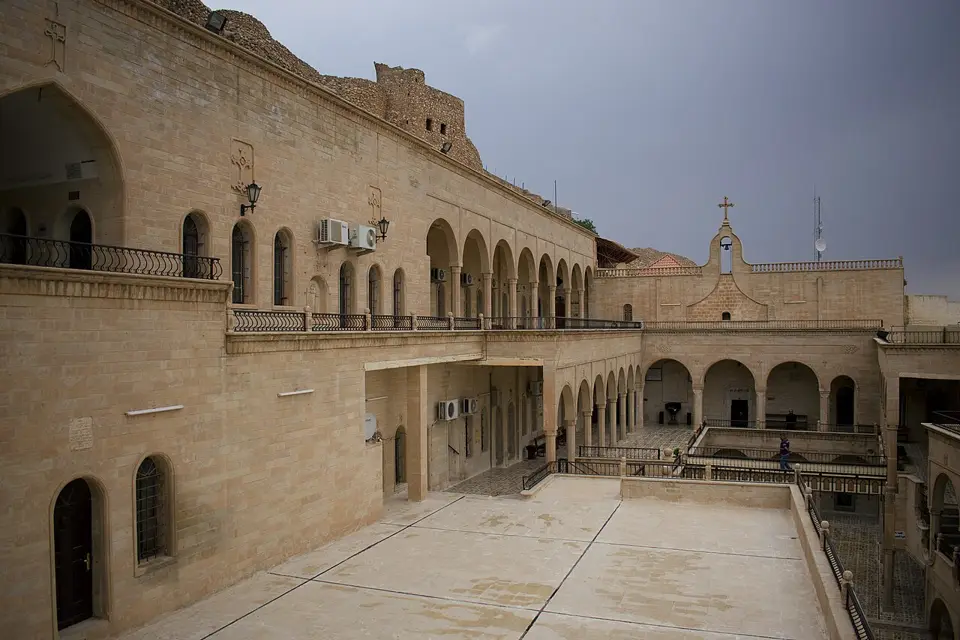
Own work. CC0 · Wikimedia CommonsThis photograph shows the modern city, or the Wikipedia lead subject, rather than the ancient site itself. Tikrit (seat of the Syriac Orthodox Maphrian)
Tikrit, Iraq · 7th–11th
From 629 Tikrit was the seat of the Maphrian, the Syriac Orthodox prelate for the East (inside Persia and later the caliphate), under Marutha of Tikrit. It was a centre of West Syriac Christianity in Mesopotamia until the seat moved to Mosul in the 11th–12th centuries.
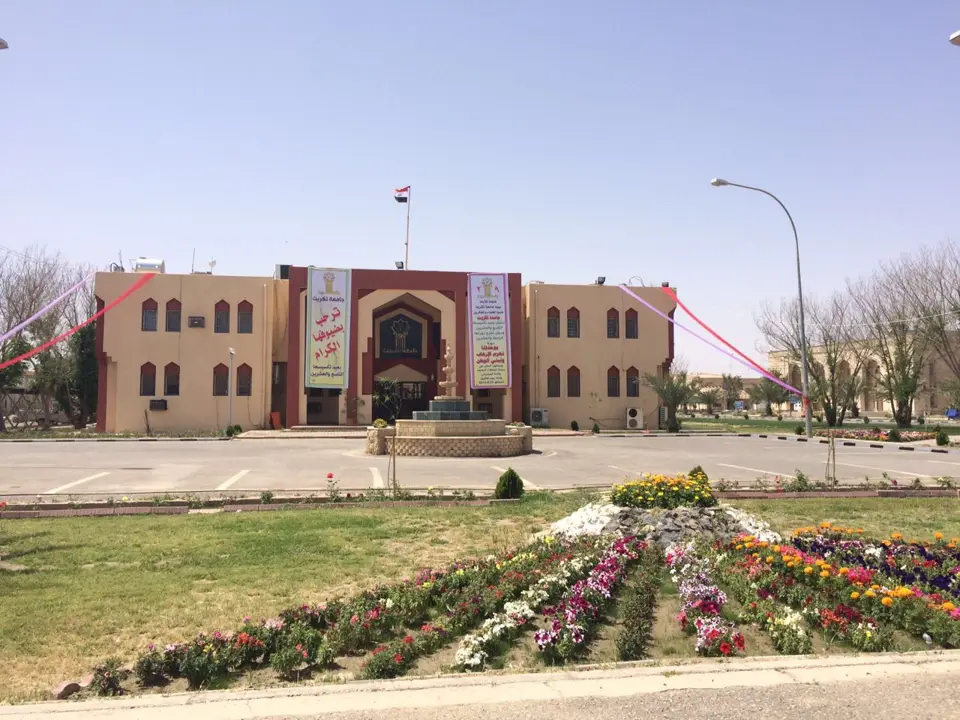
Own work. CC BY-SA 4.0 · Wikimedia CommonsThis photograph shows the modern city, or the Wikipedia lead subject, rather than the ancient site itself.
Spread
Syria, upper Mesopotamia (Tur Abdin), the Persian Empire under the Maphrian at Tikrit, and later India, where the Malankara churches joined from 1665.
Books
What happened to it
Survived under the caliphates and Ottomans, but suffered heavily in the Sayfo genocide of 1914–1918 and in recent wars. It has a large diaspora, and its patriarchate is in Damascus.
Hostile sources
Evagrius Scholasticus. Church History c. 593
Chalcedonian.
Their own words
Michael the Syrian. Chronicle 1195
Insider.
John of Ephesus. Lives of the Eastern Saints 6th c.
Insider.
Sources
- Syriac Orthodox Church
e-GEDSH. Accessed 2026-11-11.
- Syriac Orthodox Church
Wikipedia. Accessed 2026-11-11.