Priscillianists
c. 370s – late 6th century
attested. The events are attested. The content of the teaching is disputed, because hostile charges of Manichaeism conflict with the surviving tractates, and some scholars question whether all the tractates are by Priscillian himself.
Leaders
- Priscillian of Ávila (c. 340–385)
- Instantius
- Salvianus
- Euchrotia
- Latronianus
Beliefs
A demanding lay and clerical asceticism, with retreats during Lent and Advent, fasting on Sundays, and study circles that included women. Members read apocryphal scriptures alongside the canon. Opponents accused them of Manichaean dualism, astrology and sorcery. Modern scholars (e.g. H. Chadwick 1976) see Priscillian's surviving writings as largely orthodox, if charismatic and speculative.
Home bases
Loading the map…
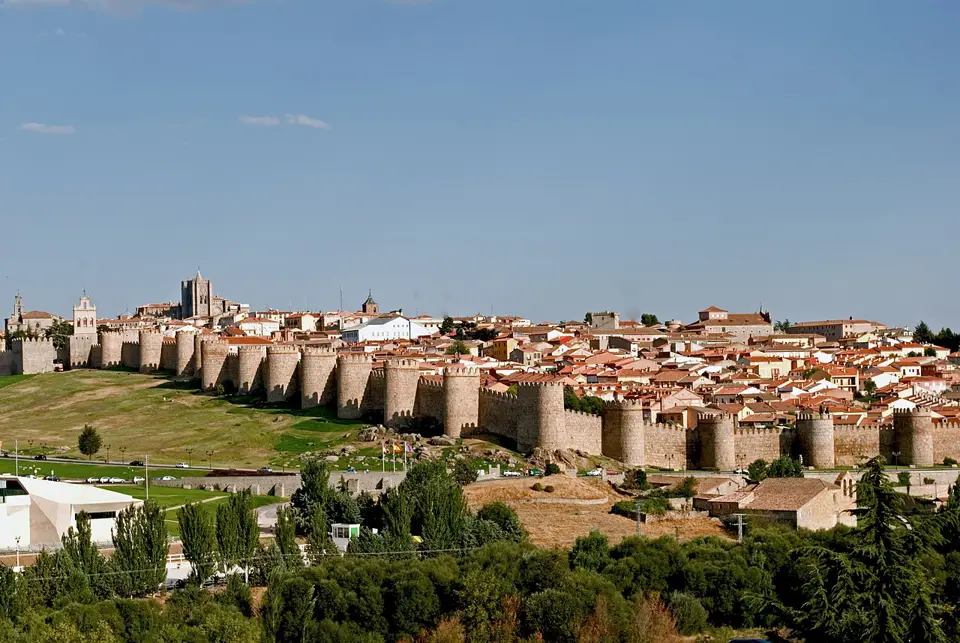
Abula (Ávila): see of Priscillian
Ávila, Spain · 4th
Priscillian, a lay ascetic teacher, was consecrated bishop of Ávila around 380 or 381 by sympathetic bishops after the Council of Saragossa condemned practices associated with his circle. His ascetic movement drew support in Lusitania and Gallaecia.
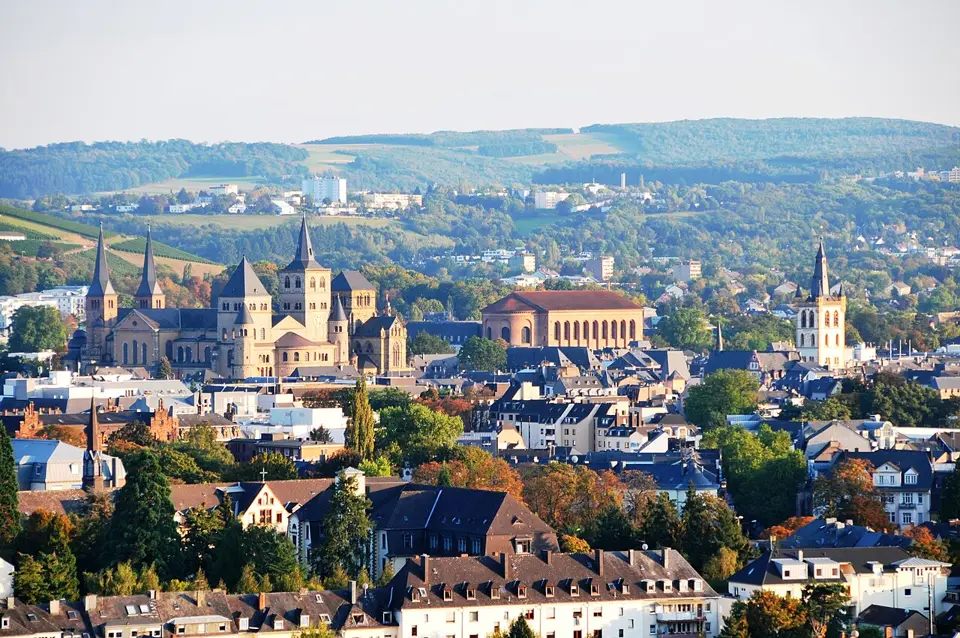
Own work. CC BY 3.0 · Wikimedia CommonsThis photograph shows the modern city, or the Wikipedia lead subject, rather than the ancient site itself. Augusta Treverorum (Trier): execution of Priscillian, 385
Trier, Germany · 4th
At the court of the usurper Magnus Maximus, Priscillian and several companions were tried for sorcery and executed in 385, at the instigation of Bishop Ithacius. It was the first execution of Christians for heresy by Christian authorities. Martin of Tours and Ambrose protested, and the accusers were later shunned.
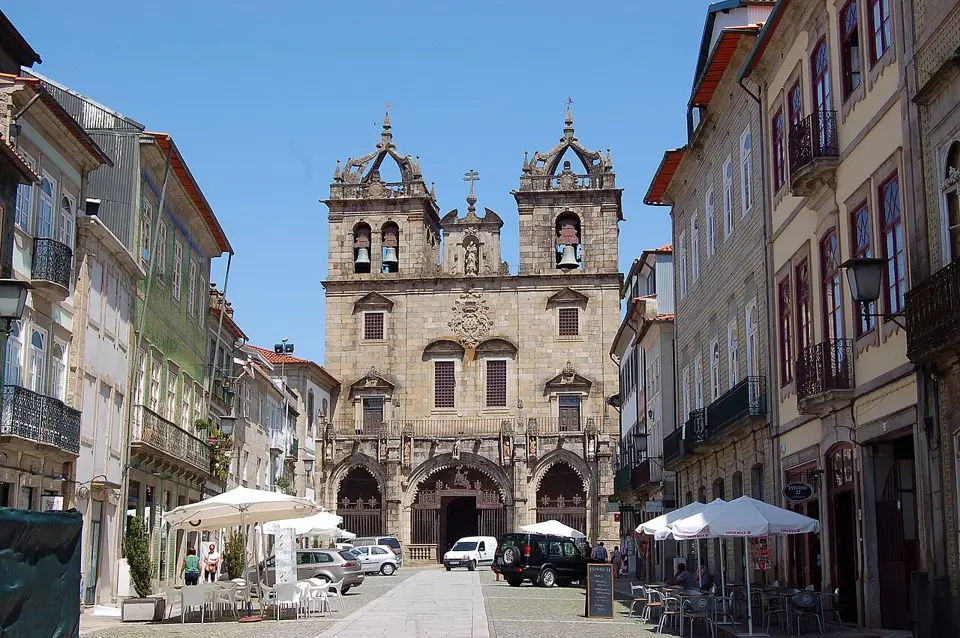
Own work. CC BY-SA 3.0 · Wikimedia CommonsThis photograph shows the modern city, or the Wikipedia lead subject, rather than the ancient site itself. Bracara Augusta (Braga), Gallaecia
Braga, Portugal · 5th–6th
Priscillian's remains were brought back to Gallaecia and venerated there as those of a martyr. The movement stayed strong in north-west Iberia. The First Council of Braga (561) issued 17 anathemas against Priscillianist teachings, which is the last major official action against them.
https://web.archive.org/web/20161024211101/http://www.panoramio.com/photo/83766383. CC BY-SA 3.0 · Wikimedia CommonsThis photograph shows the modern city, or the Wikipedia lead subject, rather than the ancient site itself.
Spread
Lusitania and Gallaecia (north-west Iberia) and Aquitaine. After 385 it became a regional church identity in Gallaecia, venerating Priscillian as a martyr.
Books
What happened to it
Priscillian was executed at Trier in 385. Bishops sympathetic to him were reconciled at Toledo (400), and the movement was condemned again at Braga (561), after which it faded.
Hostile sources
Sulpicius Severus. Sacred History (Chronicle) II.46–51; Dialogues c. 403
Critical of both sides (neutral-hostile).
Orosius. Memorandum to Augustine on the Priscillianists 414
Hostile.
Leo I. Letter 15 to Turribius 447
Hostile.
Their own words
Priscillian (or his circle). Würzburg Tractates (11 tractates); Canons on the Pauline Epistles (ed. Peregrinus) c. 380s
Insider.
Sources
- PriscillianismConfessional source
Catholic Encyclopedia 1913 (confessional). Accessed 2026-11-11.
- Priscillianism
Wikipedia. Accessed 2026-11-11.