Paulicians
Pavlikeni (Bulgaria), related: Tondrakians (Armenia, 9th–11th c.)
mid-7th century – 17th century (Catholic conversion of the Bulgarian Paulicians)
disputed. The Paulicians' existence, state and wars are attested. Their doctrine is known almost entirely from Byzantine opponents, and whether they were dualists or adoptionists is a live debate (Garsoïan vs. Lemerle and others).
Leaders
- Constantine-Silvanus of Mananali (c. 650s–680s, per Byzantine sources)
- Sergius-Tychicus (9th c.)
- Karbeas
- Chrysocheir
Beliefs
According to Byzantine sources, they distinguished an evil creator of this world from the heavenly Father, rejected the Old Testament, the cult of Mary, the cross, icons, sacraments and a separate priesthood, and valued the Gospels and Paul's letters. Nina Garsoïan argued that early Armenian Paulicianism was an adoptionist, iconoclast reform movement rather than a dualist one, and that Byzantine writers projected 'Manichaeism' onto it. That view is debated.
Home bases
Loading the map…
Tephrike (Divriği): the Paulician state
Divriği, Turkey · 9th
Around 843 the Paulicians under Karbeas, allied with the emir of Melitene, built a fortified frontier state at Tephrike between Byzantium and the caliphate. Under Chrysocheir they raided deep into Anatolia, until Basil I's forces killed Chrysocheir (872 or 878) and took Tephrike.
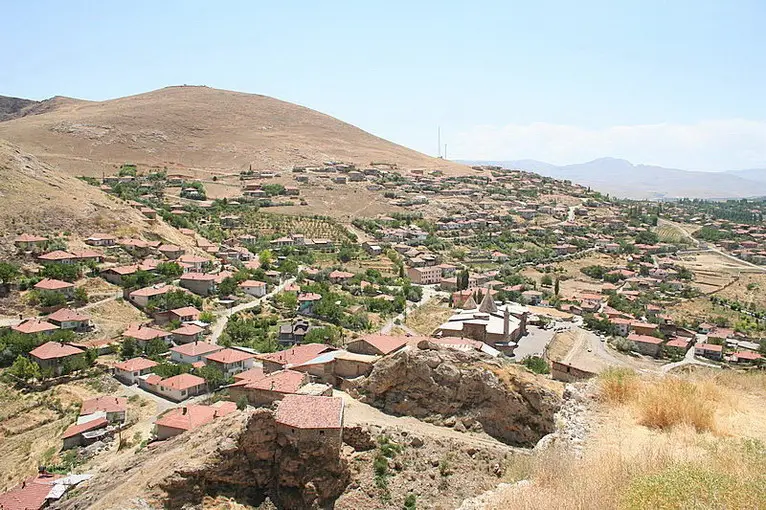
Self-published work by Marku1988. CC BY-SA 3.0 · Wikimedia CommonsThis photograph shows the modern city, or the Wikipedia lead subject, rather than the ancient site itself. Philippopolis (Plovdiv): deported Paulicians and Bogomils
Plovdiv, Bulgaria · 8th–17th
Byzantine emperors resettled Armenian and Syrian Paulicians in Thrace, Constantine V in the 8th century and John Tzimiskes around 970. Anna Komnene describes Paulicians and Bogomils at Philippopolis, where Alexios I debated them around 1114. Their descendants in the Plovdiv and Nikopol regions became Catholics in the 17th century.

Own work. CC BY-SA 4.0 · Wikimedia CommonsThis photograph shows the modern city, or the Wikipedia lead subject, rather than the ancient site itself.
Spread
Armenia and eastern Anatolia, with a fortified frontier state at Tephrike (c. 843–872/878). Byzantine deportations carried communities to Thrace (Philippopolis) in the 8th and 10th centuries.
Books
What happened to it
Crushed militarily by Basil I. Deported groups remained in Thrace and influenced Bogomilism (a disputed degree of influence). Paulician villages in Bulgaria converted to Catholicism under Franciscan missions in the 17th century, and some later moved to the Banat.
Hostile sources
Peter of Sicily. History of the Manichaeans called Paulicians c. 870
Hostile; ambassador to Tephrike.
Photius. Against the Manichaeans 9th c.
Hostile.
Anna Komnene. Alexiad XIV.8–9 c. 1148
Hostile.
Gregory Magistros. Letters (against Tondrakians) 11th c.
Hostile.
Their own words
Anonymous (Armenian). The Key of Truth MS copied 1782; content possibly older
Disputed: insider text of Tondrakian or Paulician type; dating and link contested. F. C. Conybeare edition 1898 (public domain).
Sources
- PauliciansConfessional source
Catholic Encyclopedia 1913 (confessional). Accessed 2026-11-11.
- Paulicianism
Wikipedia. Accessed 2026-11-11.