Novatianists
Katharoi ("the Pure"), Navatians
251 – 7th century
attested. Well attested. Identifying the Via Tiburtina tomb ('Novatiano beatissimo martyri…') with the schismatic Novatian is disputed.
Leaders
- Novatian of Rome (d. c. 258)
- Acesius (at Nicaea, 325)
- Agelius
- Sisinnius (bishops in Constantinople)
Beliefs
Their doctrine of God and Christ was fully orthodox; Novatian's On the Trinity was the first major Latin Trinitarian treatise from Rome. They held that the church could not restore to communion those who had denied the faith under persecution, or later those who committed other grave sins after baptism, and left such people to God's mercy. Some groups also refused second marriages.
Home bases
Loading the map…
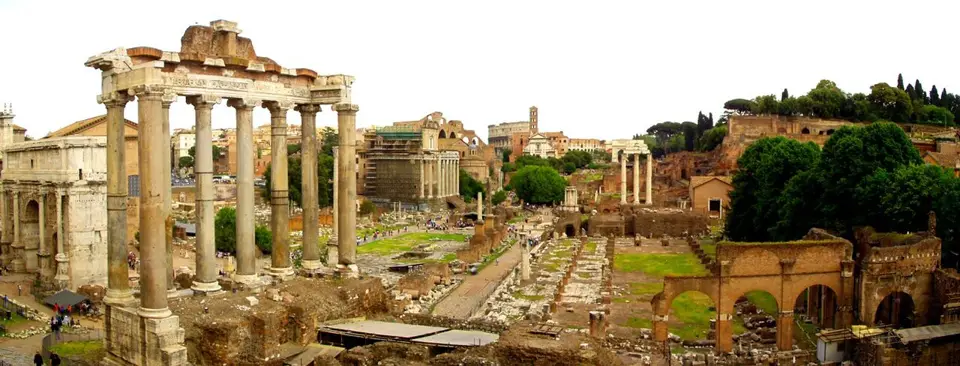
Rome (Novatian's rival episcopate, 251)
Rome, Italy · 3rd–5th
In 251 the presbyter Novatian was consecrated as a rival bishop to Cornelius. He refused to readmit Christians who had lapsed in the Decian persecution. His 'Katharoi' (the Pure) kept a church in Rome until Pope Celestine I (422–432) took their churches.
. CC BY-SA 3.0 · Wikimedia Commons Constantinople (tolerated Novatianist church)
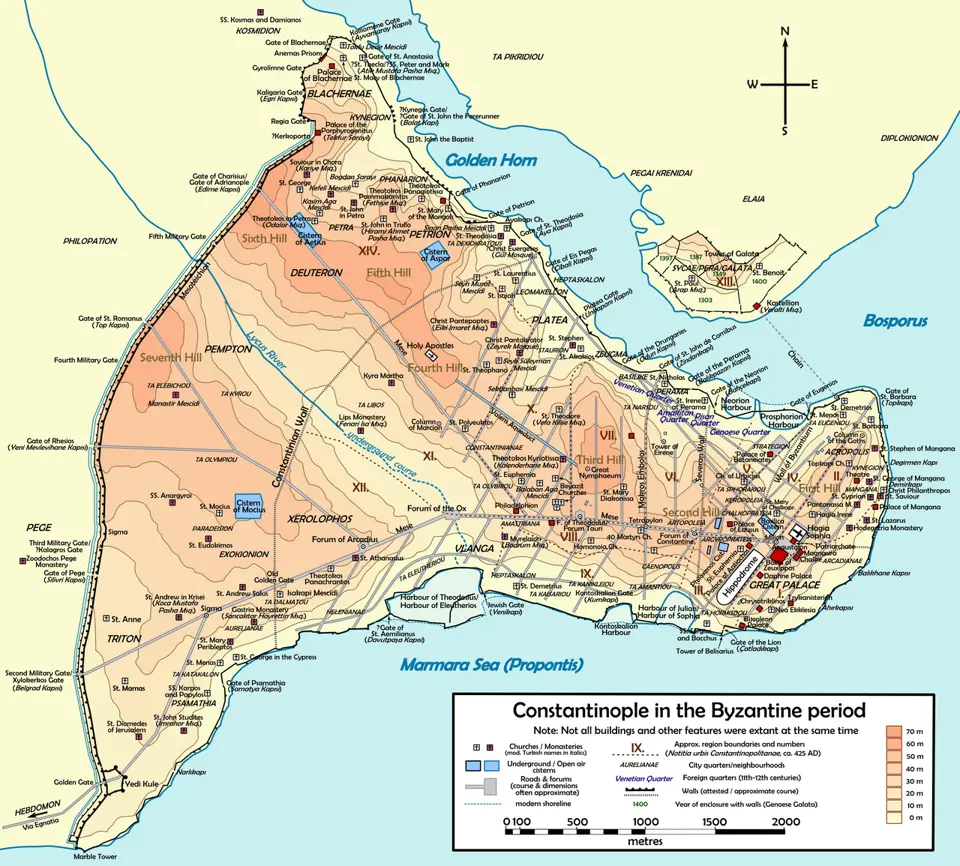
Istanbul, Turkey · 4th–7th
Novatianists were Nicene in doctrine, so they were often tolerated in Constantinople, with bishops, churches and a synod system. Socrates Scholasticus names their bishops, from Acesius at Nicaea in 325 onward, and they shared persecution with the Nicenes under the Homoian emperors.
Own work using: Main map source: R. Janin, Constantinople Byzantine. Developpement urbain et repertoire topographique Road network and some other details based on Dumbarton Oaks Papers 54 Data on many. CC BY-SA 3.0 · Wikimedia CommonsThis photograph shows the modern city, or the Wikipedia lead subject, rather than the ancient site itself. Nicaea / Phrygia (Novatianist heartland)
Iznik / central Anatolia, Turkey · 4th–5th
Socrates says Novatianists were especially strong in Phrygia and Paphlagonia. In the 4th century some of them held a synod at Pazus that adopted the Quartodeciman Easter date. Canon 8 of Nicaea (325) set terms for receiving their clergy.
Spread
It quickly gained bishops in Italy, Gaul, Africa, Asia Minor, Syria and Egypt, and was strongest in Phrygia, Paphlagonia and Constantinople.
Books
What happened to it
Nicaea (325, canon 8) offered easy reconciliation. Novatianists were tolerated in Constantinople but lost their churches in Alexandria under Cyril (c. 412) and in Rome under Celestine I (c. 422–432). They faded by the 7th century.
Hostile sources
Cyprian of Carthage. Letters 44–55; On the Unity of the Church 251–255
Hostile.
Eusebius of Caesarea. Church History VI.43 (letter of Cornelius) c. 313–325
Hostile toward heresies; quotes earlier documents verbatim. NPNF translation (public domain).
Anonymous. Against Novatian c. 255
Hostile.
Their own words
Novatian. On the Trinity; On Jewish Foods; On the Spectacles; In Praise of Purity c. 240–257
Insider; ANF translation (public domain).
Socrates Scholasticus. Church History (sympathetic reports) c. 439
Neutral to sympathetic outsider.
Sources
- NovatianismConfessional source
Catholic Encyclopedia 1913 (confessional). Accessed 2026-11-11.
- Novatianism
Wikipedia. Accessed 2026-11-11.