Carpocratians
Harpocratians, followers of Marcellina (Rome)
early 2nd – 3rd century
disputed. The group and Marcellina's Roman activity are attested by Irenaeus. Accusations of libertine practice are standard heresiological polemic and are disputed. The Mar Saba letter's authenticity is strongly disputed.
Leaders
- Carpocrates of Alexandria (early 2nd c.)
- Epiphanes (his son)
- Marcellina (in Rome under Anicetus, c. 155–166)
Beliefs
According to hostile reports, Jesus was the human son of Joseph whose pure soul remembered the unbegotten Father, and souls pass through bodies until they have experienced everything. Epiphanes' On Righteousness argued from nature that God intended property, and allegedly sexual partners, to be shared. Irenaeus also says they honoured images of Jesus alongside Plato, Pythagoras and Aristotle, which is the earliest report of portraits of Jesus.
Home bases
Loading the map…
Alexandria (Basilides, Carpocrates, early Valentinus)
Alexandria, Egypt · 2nd
Alexandria was home to the first named Christian teachers we know of outside the New Testament: Basilides (fl. c. 120–140), Carpocrates and his son Epiphanes, and the young Valentinus. Clement of Alexandria preserves fragments of their writings, which makes the city the best-documented centre of 2nd-century 'Gnostic' teaching.

Own work. CC BY-SA 3.0 · Wikimedia CommonsThis photograph shows the modern city, or the Wikipedia lead subject, rather than the ancient site itself. Same, Cephallenia (cult of Epiphanes)
Sami, Kefalonia, Greece · 2nd
Clement of Alexandria reports that Epiphanes, Carpocrates' son, who died at 17, was honoured as a god at Same on Cephallenia, his mother's home, with a temple and a festival at each new moon. This is the only geographic trace of the Carpocratians outside Alexandria and Rome.
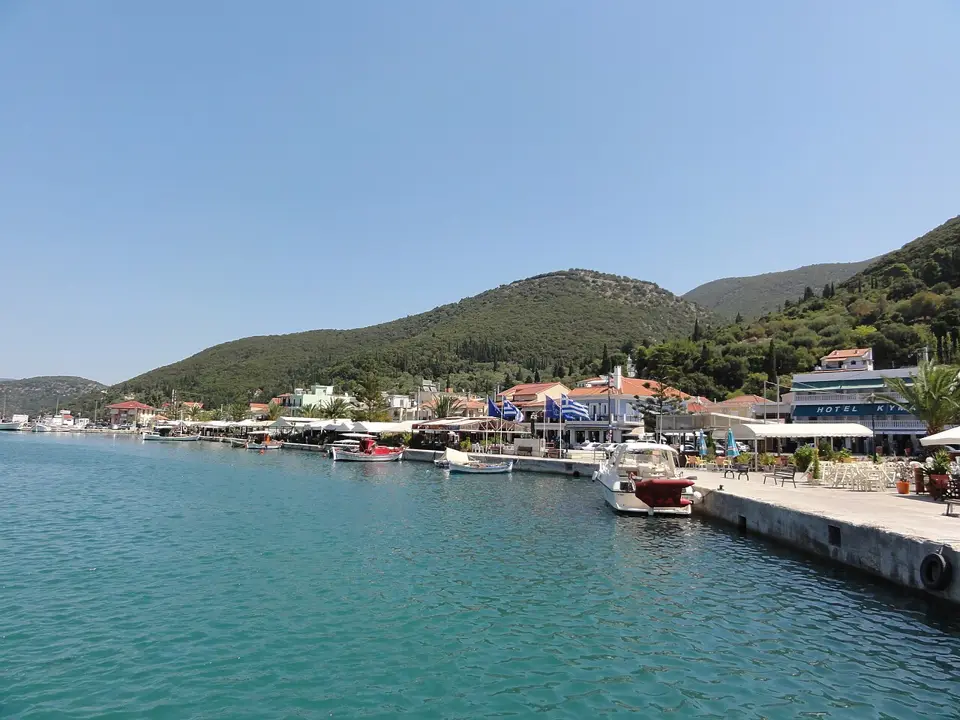
Own work. CC BY-SA 3.0 · Wikimedia CommonsThis photograph shows the modern city, or the Wikipedia lead subject, rather than the ancient site itself.
Spread
From Alexandria to Rome, where Marcellina 'led multitudes astray' under Pope Anicetus (Irenaeus). Clement reports a cult of Epiphanes on Cephallenia.
Books
What happened to it
No evidence after the 3rd century. The group reappears in modern debate through the disputed 'Secret Gospel of Mark' letter, which mentions Carpocratians.
Hostile sources
Irenaeus of Lyon. Against Heresies I.25 c. 180
Hostile; earliest systematic heresiology; ANF translation (public domain).
Clement of Alexandria. Stromata III.2 (quotes Epiphanes) c. 200
Hostile; quotes.
Hippolytus of Rome (attrib.). Refutation of All Heresies VII.32 c. 222–235
Hostile; ANF translation (public domain). Authorship disputed.
Epiphanius of Salamis. Panarion 27 c. 374–377
Hostile and often careless with groups he never met; no public-domain English translation located (F. Williams translation is in copyright). Link is an overview, not the text.
Their own words
Epiphanes. On Righteousness (fragment in Clement) 2nd c.
Insider fragment via a hostile quoter.
Sources
- Gnosticism (section on Carpocratians)Confessional source
Catholic Encyclopedia 1913 (confessional). Accessed 2026-11-11.
- Carpocrates
Wikipedia. Accessed 2026-11-11.