Arians / Homoians
Eusebians, Homoians ("like" the Father), Heterousians / Anomoeans (Aetius, Eunomius), Gothic, Vandal, Burgundian, Suevic and Lombard "Arian" churches
c. 318 – late 7th century (Lombard Italy)
attested. The controversy is extremely well attested, but mostly by the Nicene winners. Modern scholarship (Hanson, Williams, Ayres) stresses that 'Arianism' as one coherent sect is largely a construction of its opponents.
Leaders
- Arius (c. 256–336)
- Eusebius of Nicomedia
- Asterius the Sophist
- Acacius of Caesarea
- Valens of Mursa
- Ursacius of Singidunum
- Eudoxius
- Aetius
- Eunomius
- Ulfilas (c. 311–383)
- Auxentius of Durostorum
- Maximinus (Homoian bishop)
Beliefs
Arius held that the Son was begotten by the Father's will 'before the ages' but was not eternal ('there was when he was not'). For Arius the Son was a unique, perfect creature through whom all else was made. Later Homoians said only that the Son is 'like' the Father according to scripture and avoided 'substance' language, while Heterousians said 'unlike in substance'. Many so-called Arians never followed Arius personally, and the label was a Nicene polemical tool.
Home bases
Loading the map…
Alexandria: Baucalis church of Arius
Alexandria, Egypt · 4th
Arius was a presbyter in charge of the Baucalis church in Alexandria. His dispute with Bishop Alexander, from about 318, over whether the Son was eternal set off the Arian controversy. His popular verse work, the Thalia, was aimed at sailors, millers and travellers.

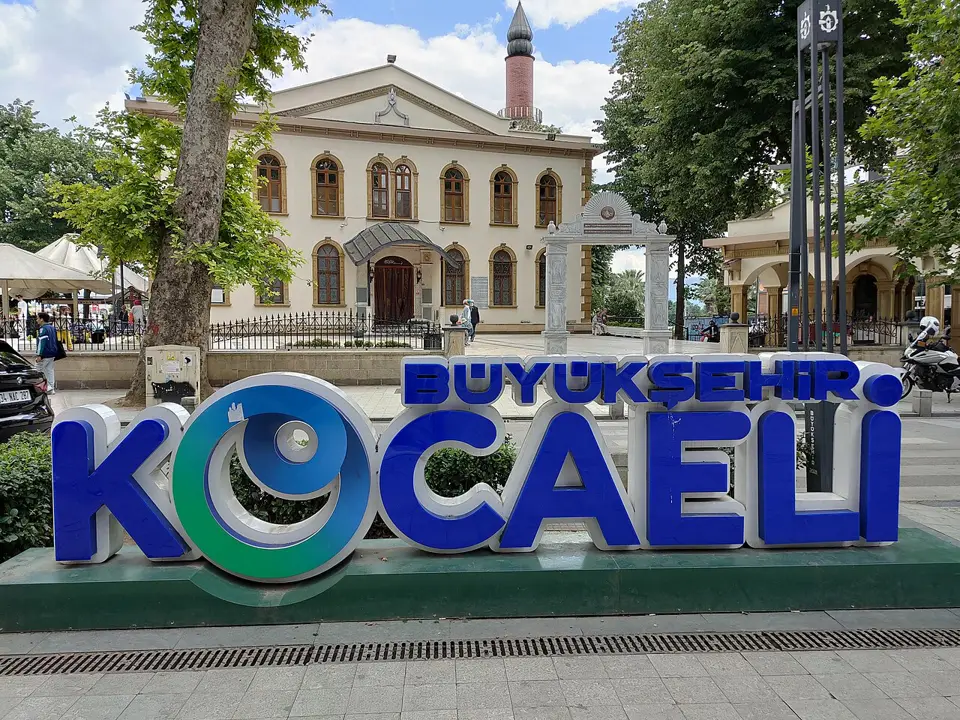
Own work. CC BY-SA 3.0 · Wikimedia CommonsThis photograph shows the modern city, or the Wikipedia lead subject, rather than the ancient site itself. Nicomedia (Eusebius of Nicomedia)
İzmit, Turkey · 4th
Nicomedia was the imperial residence where Eusebius was bishop. He was Arius's most powerful ally and baptized Constantine in 337. From here, and later as bishop of Constantinople, he led the anti-Nicene coalition.
Own work. CC BY 4.0 · Wikimedia CommonsThis photograph shows the modern city, or the Wikipedia lead subject, rather than the ancient site itself. Sirmium (Homoian creeds of 351–359)
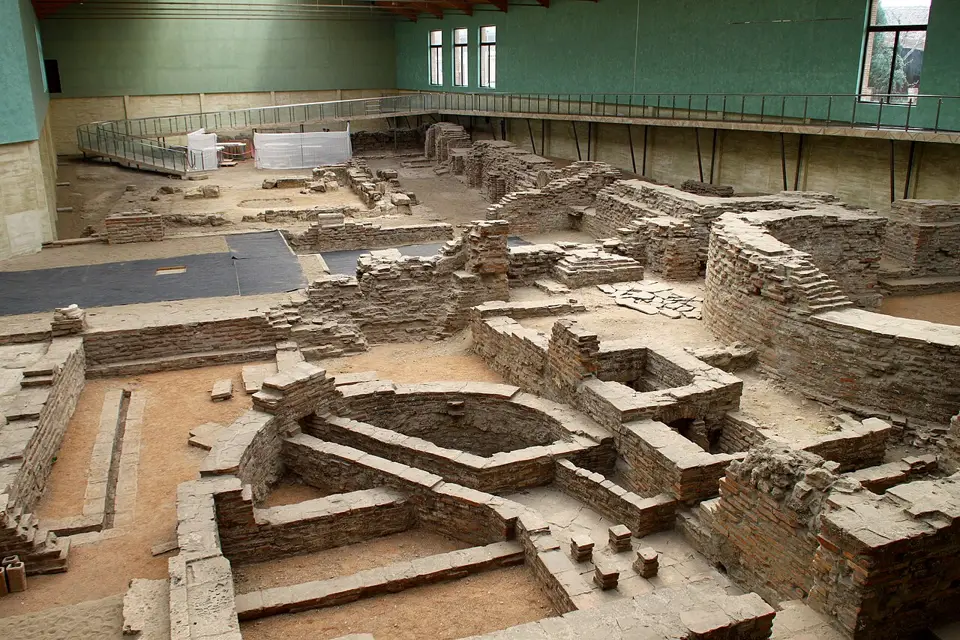
Sremska Mitrovica, Serbia · 4th
Sirmium was an imperial city on the Sava where Constantius II's bishops issued a series of creeds. The '2nd Creed of Sirmium' (357), which banned 'substance' language, was called the 'Blasphemy' by Hilary of Poitiers. The Homoian leaders Valens of Mursa, Ursacius of Singidunum and Germinius of Sirmium dominated the Danube churches.
http://www.mediaportal.vojvodina.gov.rs/d/141987-1/IMG_6323.JPG. CC BY-SA 3.0 · Wikimedia CommonsThis photograph shows the modern city, or the Wikipedia lead subject, rather than the ancient site itself. Nicopolis ad Istrum (Ulfilas and the "lesser Goths")
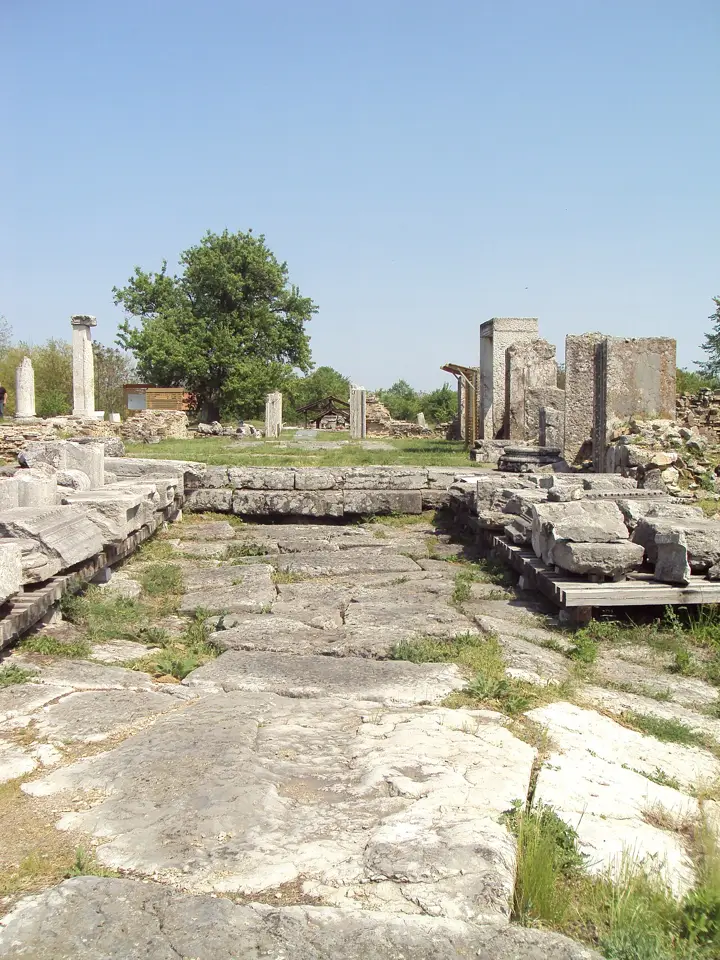
Nikyup, Bulgaria · 4th–6th
Around 348, after persecution north of the Danube, Ulfilas led his Christian Goths into Roman Moesia. Jordanes says these 'lesser Goths' settled near Nicopolis ad Istrum. There Ulfilas, a Homoian bishop, produced the Gothic alphabet and Bible translation.
Own work. CC BY-SA 4.0 · Wikimedia CommonsThis photograph shows the modern city, or the Wikipedia lead subject, rather than the ancient site itself. Ravenna (Ostrogothic Homoian churches)
Ravenna, Italy · 5th–6th
Theodoric the Great (r. 493–526) made Ravenna the capital of an Ostrogothic kingdom with its own Homoian ('Arian') cathedral, baptistery and palace church. The Arian Baptistery and Sant'Apollinare Nuovo survive, though the palace church was reconsecrated for Catholic use and its mosaics were altered after 561.
Carthage under the Vandals (439–533)
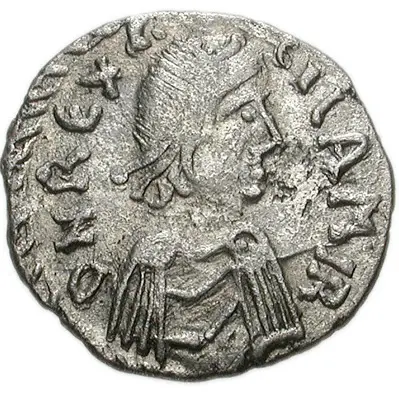
Tunis area, Tunisia · 5th–6th
The Homoian Vandal kings ruled Roman Africa from Carthage. Huneric's edict of 484 and the conference that year led to exiles and persecution of Nicene bishops, recorded by Victor of Vita. Justinian's reconquest in 533–534 ended Vandal Arianism.
[1]. Public domain · Wikimedia CommonsThis photograph shows the modern city, or the Wikipedia lead subject, rather than the ancient site itself. Toledo (Visigothic capital; Arianism ends 589)
Toledo, Spain · 6th
Toledo was the capital of the Homoian Visigothic kingdom. At the Third Council of Toledo in 589, King Reccared and the Gothic nobility formally renounced Arianism. This is the clearest dated end point of a Germanic Arian church.

Toledo. CC BY 2.0 · Wikimedia CommonsThis photograph shows the modern city, or the Wikipedia lead subject, rather than the ancient site itself.
Spread
It started in Alexandria and won powerful backing among eastern bishops and the emperors Constantius II (337–361) and Valens (364–378). Ulfilas's mission carried the Homoian creed of 360 to the Goths, and from them to the Vandals, Burgundians, Sueves and Lombards, so 5th–6th-century Italy, Gaul, Spain and Africa had Homoian ruling churches.
Books
What happened to it
Defeated in the empire by Theodosius I (Edict of Thessalonica 380; Council of Constantinople 381). Homoianism survived as the church of Germanic kingdoms: the Vandals ended with Justinian's reconquest (533–534), the Ostrogoths by 553, the Visigoths converted at Toledo in 589 and the Lombards by the late 7th century. Gothic church literature mostly perished, though the Gothic Bible survived.
Hostile sources
Hostile partisan; preserves many documents.
Socrates, Sozomen, Theodoret. Church Histories 5th c.
Hostile to Arians; NPNF translations.
Hilary of Poitiers. On the Synods; On the Trinity 350s
Hostile.
Ambrose of Milan. On the Faith 378–380
Hostile.
Victor of Vita. History of the Vandal Persecution c. 489
Hostile.
Their own words
Arius. Letters to Eusebius of Nicomedia and to Alexander; Thalia (fragments in Athanasius) c. 318–321
Insider fragments preserved by opponents.
Philostorgius. Church History (epitome by Photius) c. 425–433
Insider (Eunomian); survives only in a hostile epitome.
Auxentius of Durostorum. Letter on Ulfilas (in Maximinus' Scholia, BnF lat. 8907) c. 383
Insider.
Gothic church. Gothic Bible; Skeireins 4th–6th c.
Insider.
Latin Homoians. Opus imperfectum in Matthaeum; Arian fragments of Bobbio/Verona 5th c.
Insider.
Sources
- ArianismConfessional source
Catholic Encyclopedia 1913 (confessional). Accessed 2026-11-11.
- UlfilasConfessional source
Catholic Encyclopedia 1913 (confessional). Accessed 2026-11-11.
- Arianism
Wikipedia. Accessed 2026-11-11.
- Gothic Christianity
Wikipedia. Accessed 2026-11-11.